
Election integrity and voting rights are not opposing principles
When I served as a state trooper, enforcing the law and protecting people’s constitutional rights were never competing responsibilities.
They were the job.
That same principle should guide the person South Dakota entrusts with administering our elections.
Our state constitution begins its article on elections with remarkably clear language: “Elections shall be free and equal.” It says no civil or military power may interfere with the free exercise of the right to vote. It also says that every U.S. citizen 18 or older who meets our residency and registration requirements is entitled to vote, while giving the Legislature authority to establish reasonable requirements to ensure the integrity of the vote.
Those principles do not contradict each other.
We can protect the integrity of our elections and protect the rights of eligible voters. In fact, we have to do both.
A dispute unfolding in South Dakota this year shows why that distinction matters.
During the 2026 legislative session, lawmakers passed Senate Bill 175, which requires documentary proof of citizenship from new voter registration applicants. Without the required documentation, an applicant can be registered as a “federal-only” voter, able to vote in federal contests but not state or local elections.
There is a legitimate public discussion to have about that policy. But there is another question that matters just as much to the Secretary of State: What happens after a law is passed?
The League of Women Voters of South Dakota petitioned the State Board of Elections for changes to how the new requirement was administered. Among the issues it raised were how certain documents could be submitted and what happened when a voter was placed into federal-only status.
The Board ultimately rejected the petition on a procedural issue. South Dakota Searchlightreported on that July 8 decision.
Heather Baxter, now the Republican nominee for Secretary of State and a supporter of SB 175 during the legislative session, submitted written comments opposing the League’s proposals. She characterized them as “a way for the League to abolish SB175” and argued against allowing photocopies of certain identification documents.
But that was not the end of the issue.
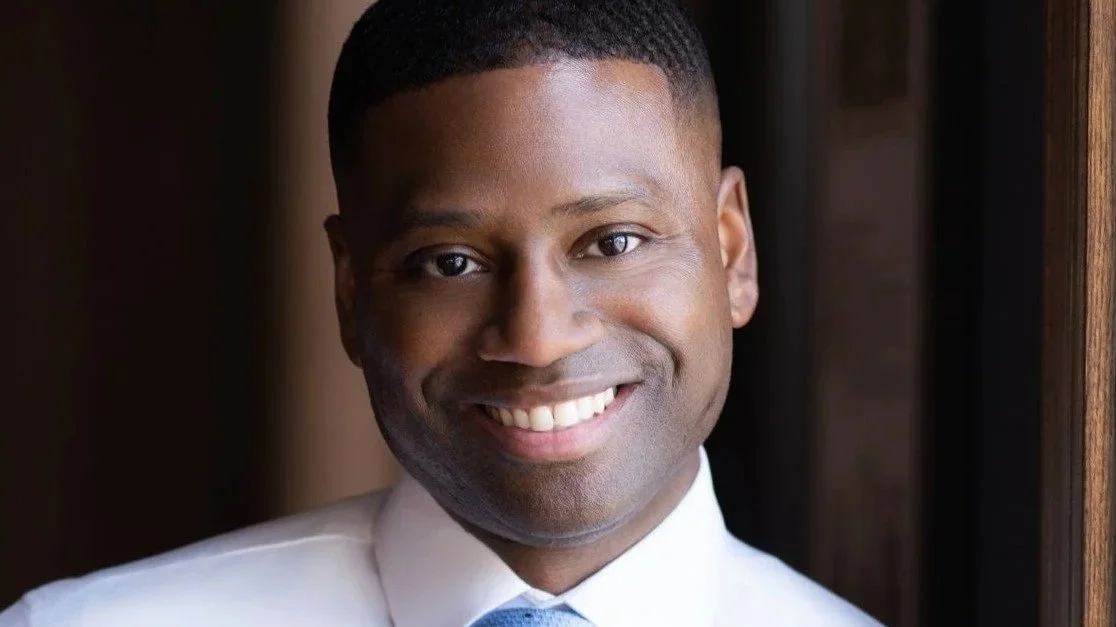
On Aug. 24, the League and Sioux Falls resident Jaysen Hill filed a federal lawsuit against Secretary of State Monae Johnson and members of the State Board of Elections. Importantly, the plaintiffs do not ask the court to eliminate South Dakota’s documentary proof-of-citizenship requirement. Their claims challenge aspects of how the state has implemented it. The plaintiffs allege, among other things, that some federal-only voters were not accurately informed why their registrations had been restricted or how to correct the problem. Read the federal complaint and case materials.
Hill’s experience illustrates why administration matters.
According to the lawsuit, he mailed his registration with a photocopy of his South Dakota identification card and was classified as a federal-only voter. But the notice he received said the problem involved his residential address, even though he had supplied one. He alleges he did not learn what he actually needed to correct in time to vote in state and local contests in the June primary. Those remain allegations in ongoing litigation, not final findings by a court.
Then something important happened.
After the lawsuit was filed and a federal judge heard arguments, Secretary Johnson issued new guidance to county auditors. Her office provided separate notice letters for different reasons a voter might receive federal-only status, directed auditors to stop sending inaccurate notices, and instructed them to send corrected information to affected voters so they would have an opportunity to restore full-voter status before the registration deadline. South Dakota Searchlight reported on those changes Sept. 15.
Three days later, U.S. District Judge Eric Schulte denied the plaintiffs’ request for a preliminary injunction as moot. His reason is important: the Secretary of State had made the changes requested in that motion and had committed not to return to the prior practice. The order did not resolve every issue in the broader lawsuit, which remains active. Read Judge Schulte’s Sept. 18 order.
To me, there is a lesson here that is larger than one bill, one lawsuit or one election. Passing an election law is one thing. Administering it fairly and competently is another.
The Secretary of State is not simply an advocate for election legislation. The office has to turn laws into forms, instructions, computer systems, deadlines and procedures that county auditors can actually administer and South Dakotans can actually understand.
When a problem emerges, the question should not begin with which political side raised it. The question should be: Is there a problem, and what does the law require us to do about it?
My background in law enforcement shaped how I think about that responsibility. A law enforcement officer has authority, but that authority exists within a constitutional framework. You enforce the law, follow the facts, and respect due process. You are responsible for protecting the rights of the people you serve.
Election administration deserves the same discipline.
If someone is not legally eligible to vote, our election laws should prevent an unlawful ballot from being cast. But when a South Dakotan is legally entitled to vote, our government should administer those laws accurately enough that the voter knows what is required and has a fair opportunity to exercise that right.
That should not be a partisan proposition.
Election integrity does not require us to choose between enforcing the rules and protecting voting rights. Good election administration requires both. Election integrity does not require us to choose between enforcing the rules and protecting voting rights. Good election administration requires both.
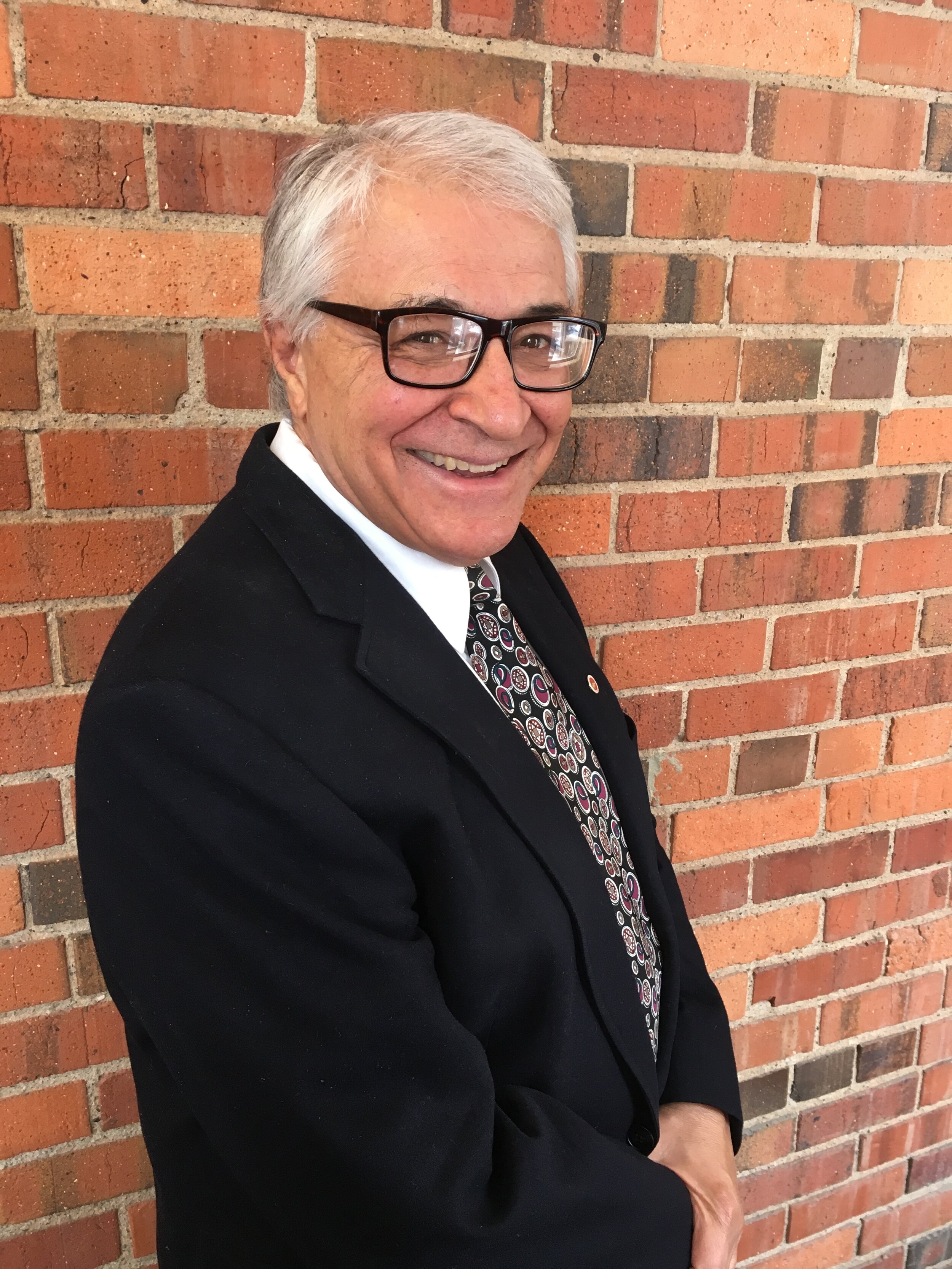
Terrence Davis is the Democratic candidate for South Dakota Secretary of State. A Sioux Falls resident, husband and father, Davis previously served as a state trooper in Tennessee and with the South Dakota Highway Patrol and later worked with East River Legal Services. He holds a bachelor’s degree in Criminal Justice and a master’s degree in Public Policy and is pursuing a doctoral degree in Law and Policy. This is his first campaign for elected office.
Photo: author’s submission
The South Dakota Standard is offered freely and is supported by our readers. We have no political or commercial sponsorship. If you'd like to help us continue our mission to advance independent political and social commentary, you can do so by clicking on the "Donate" button that's on the sidebar to your right.