

Financial advisor Kahler: When it comes to money, it’s important to understand the difference between frugality and fear
A classic and wise piece of advice from financial advisors is to live within your means. I have written often about the importance of frugality in building wealth and financial well-being.
Yet there is a difference between frugality by choice and frugality from fear. For those who grew up in poverty, the emotional impact of that early struggle can shape a reluctance to spend money even when their circumstances have changed and they have more than enough. A recent article by Christian Kelly in Silicon Canals discusses some of the factors behind this pattern of behavior.
Research published in the Journal of Consumer Psychology shows that childhood scarcity can wire the brain to experience spending as danger. Even when the numbers say you’re safe, the body may still brace for impact with a jolt of anxiety.
This was the case for a physician who recently told me that she knows she and her husband have ample funds in their investment accounts. Still, if her checking account doesn’t have a certain amount of money in it, parts of her are screaming, “We are going broke!” in a complete panic.
This isn’t the same as intentional frugality, which is a conscious choice. Scarcity conditioning is often an involuntary emotional reflex. It can show up as systemic panic, as continuing to use things long past their usefulness because they’re “still good enough,” as generosity toward others paired with denial toward oneself, or as hoarding.
Feeling a type of survivor’s guilt is also common for people who move into a higher socioeconomic bracket than they grew up in. This can show up as downplaying accomplishments, being unable to enjoy freedom from financial want, or giving based in guilt rather than generosity.
A strong work ethic is another frequent outcome of growing up poor. Many people watched parents work relentlessly just to survive. Developmental psychologists describe a “shift and persist” strategy — adapting to stress while staying hyper focused on long-term goals. While this often produces capable, resilient adults, it can also lead to anxiety, impostor syndrome, job insecurity, burnout, the inability to rest or relax, and emotional distress.
Money conversations themselves may also feel charged. Financial psychology research shows that early money-related stress can cause the nervous system to link any discussion about money with danger. As adults, discussions about budgeting, financial planning, or negotiating may feel intensely emotional rather than practical.
Fear-based frugality is more than a habit. It is an adaptive behavior driven by internal parts that learned how to survive in the face of real instability. These parts of us are not irrational. They are protective and, at one point in our lives, they did exactly what they needed to do.
Trouble arises when these parts continue operating on outdated information. When we try to eliminate them through willpower or self-criticism, they usually push back harder. From their perspective, they are being asked to stand down without proof that it’s truly safe.
What allows change is not resisting or shaming, but understanding. When we approach the money behaviors with curiosity rather than judgment, we can acknowledge the role these parts played in helping us survive. Then we can gently update them on the present-day reality that we no longer live in poverty. We can maintain behaviors that still serve us and modify others.
Both financial and emotional growth are about healing and integrating the past instead of erasing it. When our money decisions become Self-led rather than fear-led, we gain both greater financial flexibility and a deeper sense of internal safety. For many who grew up with scarcity, that sense of safety is the real measure of well-being.
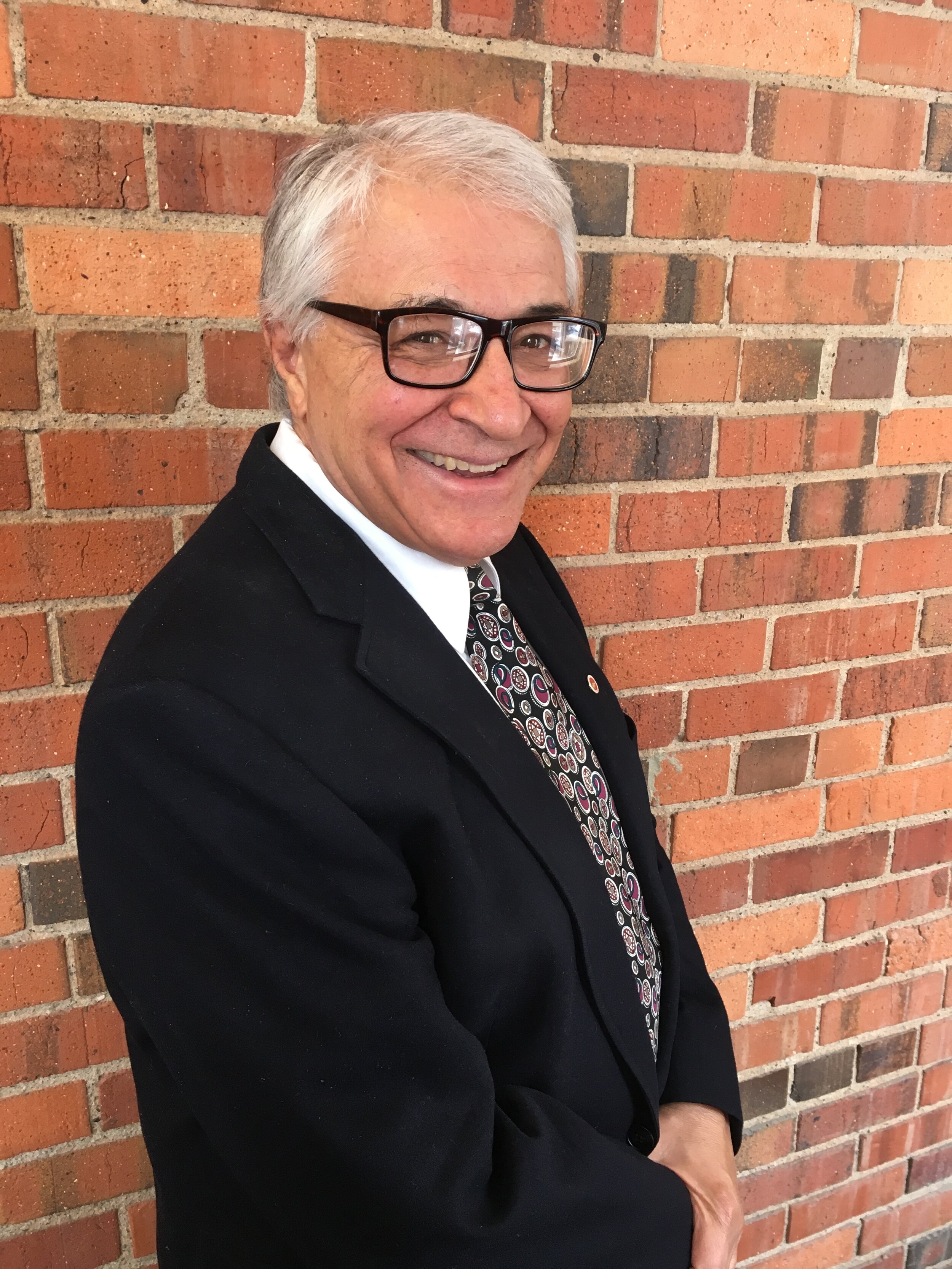
Rick Kahler, CFP, is a fee-only financial planner and financial therapist with a nationwide practice, Kahler Financial Group, based in Rapid City. His co-authored books include “Coupleship Inc.” and “The Financial Wisdom of Ebenezer Scrooge.”
The information provided is for educational purposes only and should not be construed as investment advice. The views expressed are subject to change based on market or economic conditions. Past performance is not indicative of future results. Any reference to potential benefits is illustrative and may not apply to your individual circumstances. You should consult with your financial adviser before making any investment decisions. KFG, LLC is an SEC-registered investment adviser.
Photo: public domain, wikimedia commons
The South Dakota Standard is offered freely and is supported by our readers. We have no political or commercial sponsorship. If you'd like to help us continue our mission to advance independent political and social commentary, you can do so by clicking on the "Donate" button that's on the sidebar to your right.
Follow us and comment on X and Bluesky