

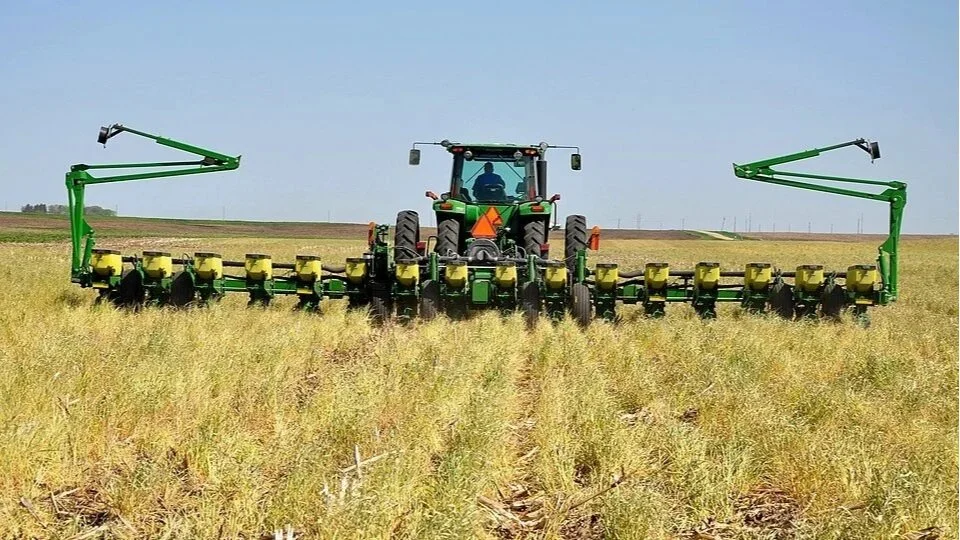
Spring planting is mostly over, but Trump’s flawed ag policies go on
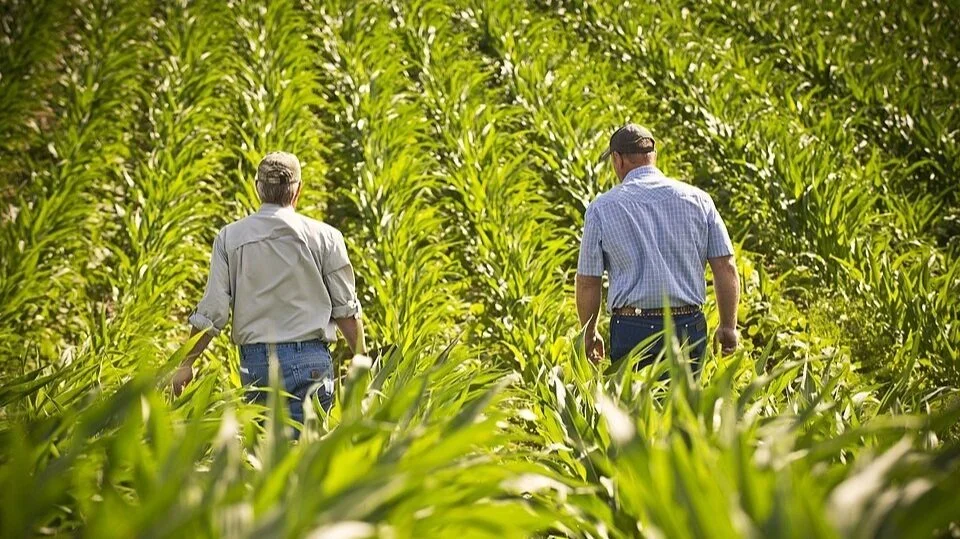
Corn and soybean farmers are almost through with their planting chores for the year, meaning they can go back to assessing the market and political situations that are all-important to their business plans for the year.
Prices for both crops seem to have stalled in recent months, with beans trading in the $11.50 to $12.15/bushel range and corn in a channel between $4.40 and $4.80. Both crops got a slight upside bump after President Trump’s recent visit to China, when word was put out that China would be making some significant soybean purchases over the next few years, but specifics didn’t make it into the conversation, so prices have remained lodged in their current ranges.
Both during his first and current terms, Trump’s policies have never resulted in any appreciable rally in crop prices, so it isn’t surprising that commodity traders didn’t chase the recent news out of China with much buying enthusiasm.
Trump’s tariff programs have a long history of hurting farmers, with the pain extending to more than just lowered crop prices. On an inflation-adjusted basis, corn and soybean prices are historically low.
But it isn’t just about crop prices. Input prices are high due to Trump’s tariffs. Thanks to Trump’s war of choice in the Persian Gulf, fertilizer is particularly expensive this year, having gone up 50% since the U.S. invaded Iran. Farmers are getting squeezed by lackluster prices for their crops and high costs for their inputs. The Iowa Farm Bureau says that in 2026, income for corn and soybean farmers will be at its lowest level in 15 years.
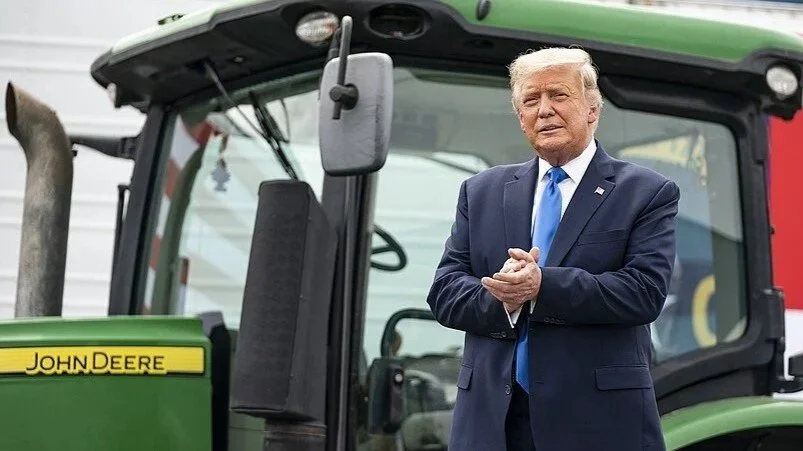
Trump’s reaction to all this has been to throw a financial lifeline to farmers who would otherwise be collateral damage while he pursued his tariff and wartime goals. He gave them $28 billion during his first term and so far $12 billion this time around.
For the record, I strongly support keeping farmers afloat with cash when times get rough. What I abhor is instigating trade and geo-political policies that make it necessary to do so in the first place. Farmers need reliable markets, not bailouts.
By instituting his poorly-handled tariff program in 2018-19, Trump not only ruined the soybean market for American farmers, he encouraged massive growth in soybean production in South America. The competition is fierce and the supply is overwhelming, a condition that came about because Donald Trump, who says “tariffs are the most beautiful word in the dictionary,” has no understanding of them and has yet to show why they are any good.
John Tsitrian is a businessman and writer from the Black Hills. He was a weekly columnist for the Rapid City Journal for 20 years. His articles and commentary have also appeared in The Los Angeles Times, The Denver Post and The Omaha World-Herald. Tsitrian served in the Marines for three years (1966-69), including a 13-month tour of duty as a radioman in Vietnam. Republish with permission.
Photo: public domain, wikimedia commons
The South Dakota Standard is offered freely and is supported by our readers. We have no political or commercial sponsorship. If you'd like to help us continue our mission to advance independent political and social commentary, you can do so by clicking on the "Donate" button that's on the sidebar to your right.
Follow us and comment on X and Bluesky


.jpg)