
Want to eliminate property taxes? Talk to your local tooth fairy
This year’s GOP slate of gubernatorial hopefuls is collectively hung up on property taxes and how to lower them. I’ve watched all three of their televised debates and the subject comes up voluminously in each one, so much so that I complained, after the second debate, about how other topics are crowded out.
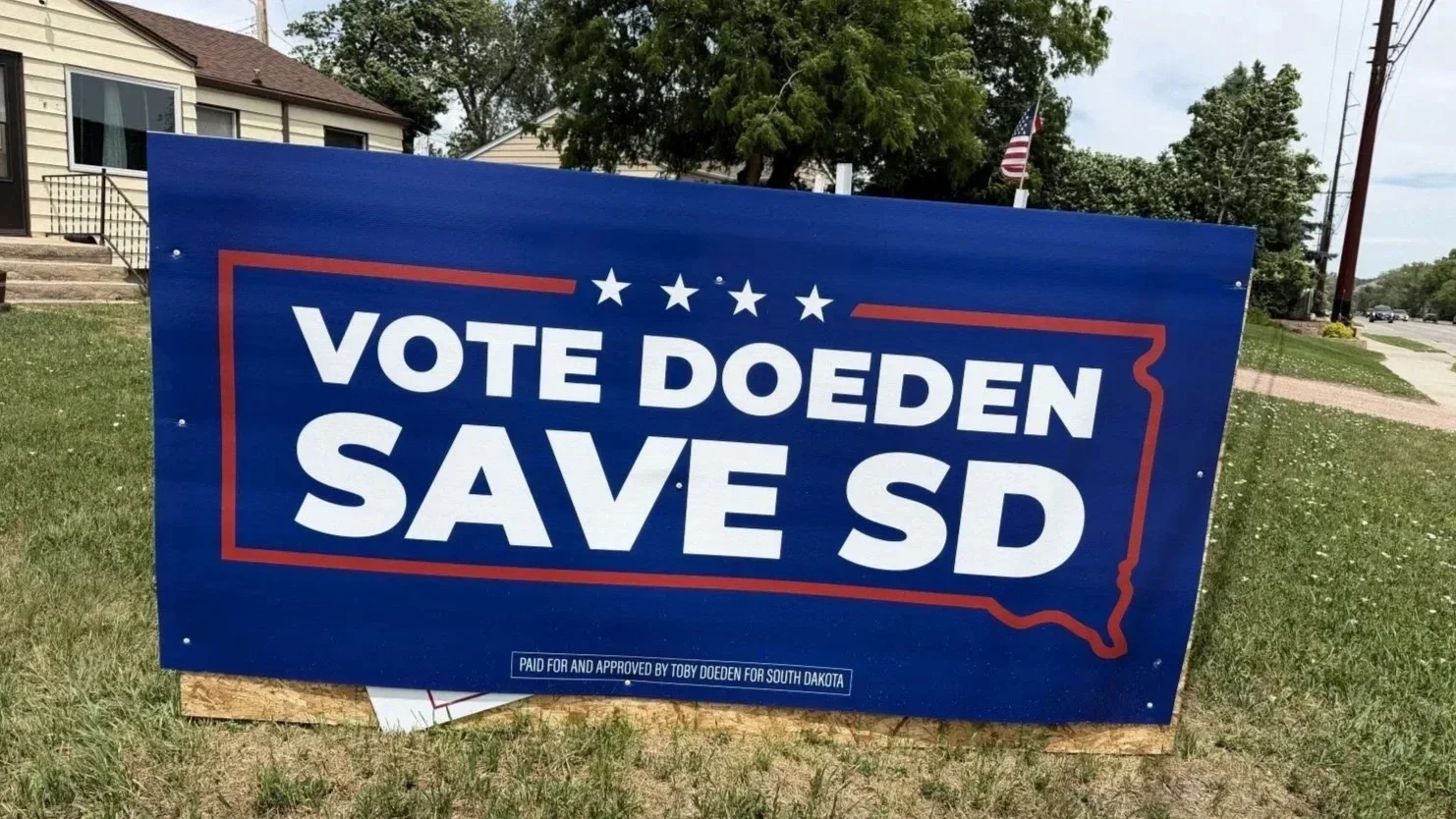
Property taxes took a bit less time during their third and last televised debate Monday night, but they still occupied a significant part of the group encounter. As a property taxpayer (both residential and commercial), I’m naturally attuned to the subject, particularly when one of the candidates for office, i.e. Toby Doeden, promises to eliminate property taxes altogether if he’s elected governor.
Thinking he might be for real, I’ve been trying to get a handle on just exactly how Doeden intends to accomplish this feat.
First off, Doeden declares property taxes are unjust, unfair and unconstitutional. I suppose the first two charges, that they’re unjust and unfair, can be debated forever, but on the question of their constitutionality, candidate Doeden expresses an opinion that has yet to be supported by any court proceeding I could find. If they’re unconstitutional, why are they in place in just about every county in this country?
A man’s entitled to his opinion about constitutionality, but in this case Doeden’s isn’t backed up by much, if anything, and seems meritless.
Adding to that groundless claim is the lack of specifics on how Doeden intends to eliminate property taxes and replace the lost income to municipalities and taxing districts. I’ve heard him say that he will grow South Dakota’s economy, presumably creating an unspecified alternate tax base.
Sounds simple, but if you crunch the numbers you can see why Doeden’s intentions are tough to take seriously.
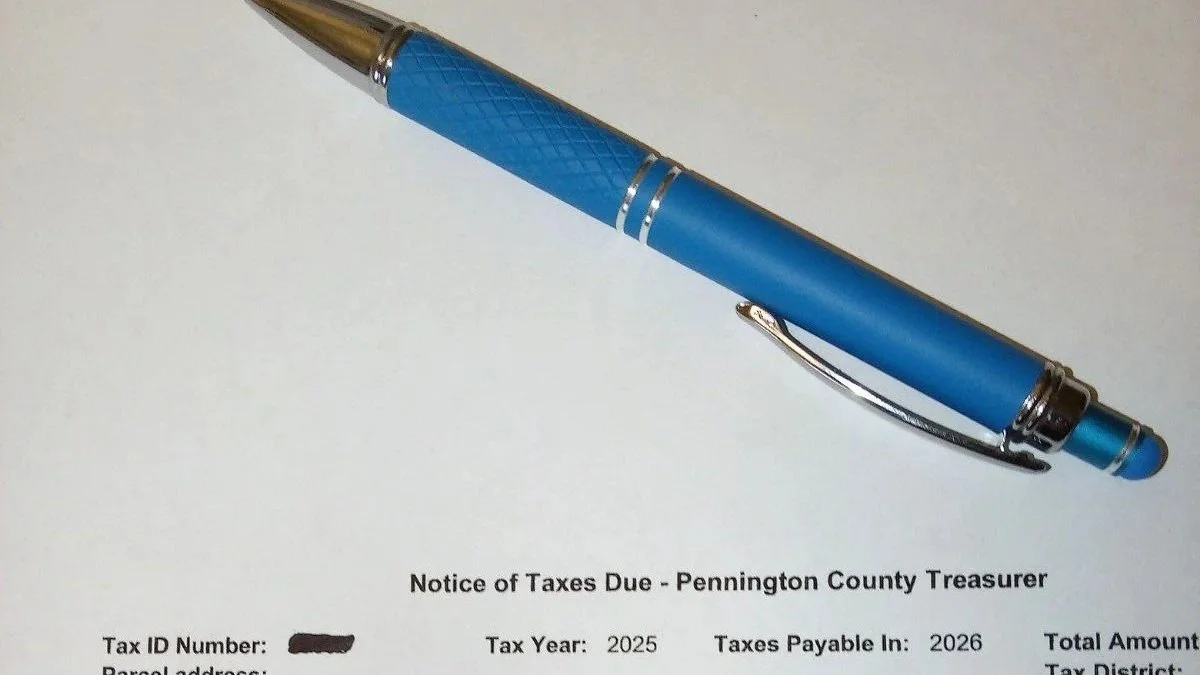
First off, in 2025, property taxpayers in South Dakota paid $1.86 billion to fund local governments and provide K-12 education for the state’s children.
Next, consider sales tax revenues. South Dakotans pay an average of 6.11% in sales taxes. In 2025, state taxable sales were $34.5 billion, so government income from sales taxes was $2.1 billion.
Property tax collections fund nearly half of our state’s publicly-financed enterprises. If Doeden’s intention to eliminate property taxes came about, municipalities and school districts would have to raise that money by … doing what? Talking to their local tooth fairy?
I appreciate Doeden’s argument that growing the economy would raise sales tax receipts, but to nearly double the size of the economy to make up for lost property taxes?
Please.
A decent growth rate for a mature economy like South Dakota’s is three, maybe four percent a year. Doeden’s vision — maybe “hallucination” is more like it — of a property tax-free South Dakota has our state growing by multiples of that to stay afloat.
The Tax Foundation has studied this to death. The conservative-leaning think tank concludes that “there is no good way to pay for property tax repeal."
Doeden has made some vague remarks about phasing in the elimination of property taxes, but until I see a plan I can’t take him or his campaign seriously.
John Tsitrian is a businessman and writer from the Black Hills. He was a weekly columnist for the Rapid City Journal for 20 years. His articles and commentary have also appeared in The Los Angeles Times, The Denver Post and The Omaha World-Herald. Tsitrian served in the Marines for three years (1966-69), including a 13-month tour of duty as a radioman in Vietnam. Republish with permission.
Photo: public domain, wikimedia commons
The South Dakota Standard is offered freely and is supported by our readers. We have no political or commercial sponsorship. If you'd like to help us continue our mission to advance independent political and social commentary, you can do so by clicking on the "Donate" button that's on the sidebar to your right.
Follow us and comment on X and Bluesky