
Wish we had an inter-tribal culture center in South Dakota
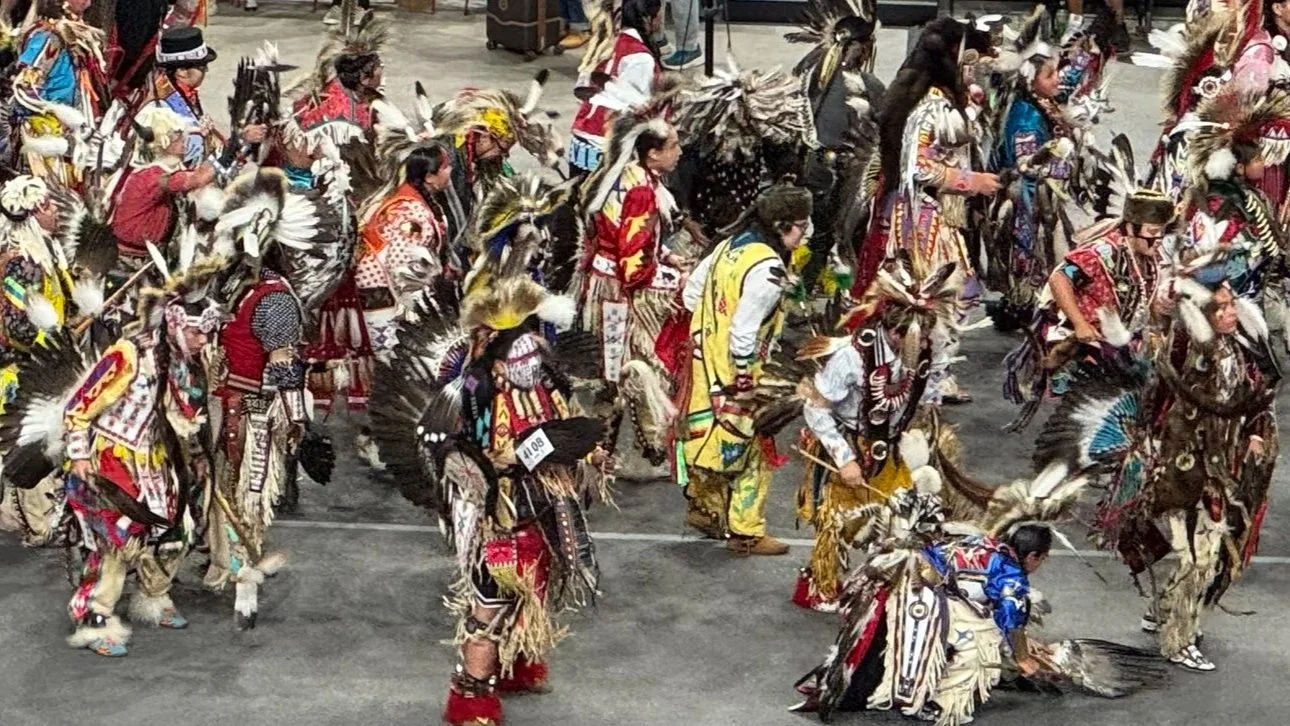
I took the pic above last weekend at the annual Black Hills Powwow in Rapid City, an event that had tribes from around the United States, Canada and Mexico participating. The small-framed image above doesn’t do justice to the breathtaking size and diversity of tribes that came together for this event.
Most inspiring to me is how these indigenous cultures were able to survive the rigors that “manifest destiny” inflicted on them during two centuries of westward expansion. The subjugation, displacement and cultural destruction that native peoples endured have been long- and well-documented. The Black Hills Powwow is a showcase and testimonial to resilience and the bonds created by the compelling need for self-preservation.
As an Armenian whose family mostly survived the early 20th century holocaust and subsequent Christian genocide in Ottoman Turkey — my grandfather and namesake John the Baptist was put to death for the crime of being a Christian — I can relate to every drumbeat I heard at the Powwow.
I came away from the event wanting to know much more about the story of the Indians, particularly those of the Great Plains, who inhabited this land for many centuries before the European conquest of the Americas.
In my search for information and institutions that might supply narratives of the native inhabitants of the Great Plains I found that there isn’t a unique, comprehensive center where the different tribal histories of the region are housed.
We need a place that does just that. I wish that we had something here in South Dakota that’s similar to the Polynesian Cultural Center on Oahu in Hawai’i. The center calls itself “The vibrant cultures of 6 Pacific Islands in one unique place.” The cultures of six island nations are represented.
Between 700,000 and a million visitors see the Polynesian center annually. Given that millions of travelers pass through South Dakota just to see Mt. Rushmore and other historic sites every year, there’s a reasonable chance that a center devoted to a collective history of the various Indian tribes who’ve lived here for centuries would draw some interest and attract a respectable number of visitors.
The story of the indigenous cultures in the Great Plains is great and gripping. It needs to be showcased and easily accessible. Why the need? Because ultimately it’s the story of our selves. For good or bad, we were all in this together.
I’d sure love to see something like this materialize.
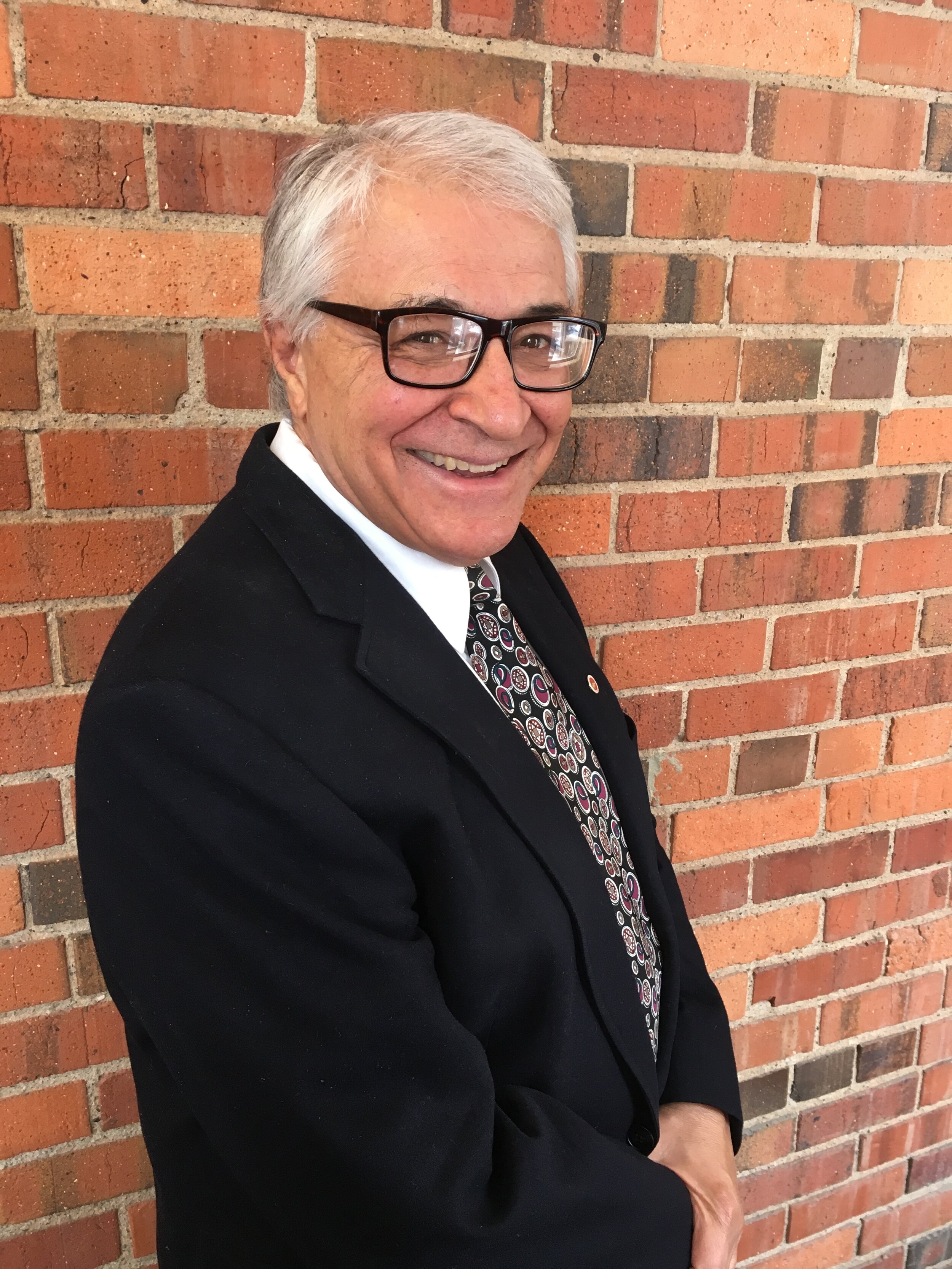
John Tsitrian is a businessman and writer from the Black Hills. He was a weekly columnist for the Rapid City Journal for 20 years. His articles and commentary have also appeared in The Los Angeles Times, The Denver Post and The Omaha World-Herald. Tsitrian served in the Marines for three years (1966-69), including a 13-month tour of duty as a radioman in Vietnam. Republish with permission.
Photo: Black Hills Powwow, 2026. John Tsitrian
The South Dakota Standard is offered freely and is supported by our readers. We have no political or commercial sponsorship. If you'd like to help us continue our mission to advance independent political and social commentary, you can do so by clicking on the "Donate" button that's on the sidebar to your right.