

Grain and soybean prices move higher as war slows shipping in Black Sea
American grain and soybean farmers got a sharp price move to the upside in recent days as the Russia/Ukraine war is moving one of its flash points to ports on the Black Sea. A large source of the world’s wheat, around 25%, and corn, about 10%, pass through the port of Odessa, so a stoppage there, combined with an exceptionally low wheat harvest in the United States, has caused grain futures prices to skyrocket.
The timing might be short-lived, but it has been financially fortuitous even as it springs from carnage and destruction. Blood money it may be, but it’s money nonetheless.
And our farmers can use the help.
Trump’s bungling trade policies have been hurting American food producers for the past couple of years, both in lowering prices for their products and raising prices for one of their most important inputs, fertilizer. This “relief rally” has given farmers some financial breathing room, especially as harvest season approaches.
But, as nice a turn of financial events as this has been, it’s useful to remember an all-important aspect of the situation: This is a wartime dislocation and it’s causing distorted prices. A significant pullback of the fighting in the Black Sea could move prices lower as quickly as it raised them.
Shrewd farmers are using this rally to lock in the most favorable prices they’ve seen in years, knowing full well that once the fireworks are over in Odessa, Trump’s same ol’, same ol’ trade and tariff policies will still be in effect.
As to the other negative result of Trump’s farmer-unfriendly trade policies, namely the high cost of inputs, not much is likely to be changed by the warfare in the Black Sea. Fuel, fertilizer and equipment prices will remain high thanks to the war in Iran.
As an old grain and livestock trader (I traded and brokered ag commodities in Rapid City for a decade, following a decade I spent on the trading floors in Chicago, where I focused on derivatives) it’s great to see some of the best prices in years getting posted on the commodity boards. And, yes, as an old grain and livestock trader, I also know that good times are usually fleeting. It’s important to remember that nothing has changed in terms of supply/demand fundamentals. Wartime shipping disruptions are causing the market spike, and they can end as quickly as they started.
I’m glad that financially stretched farmers, who’ve been supported by cash payouts to offset the disastrous financial effects of Trump’s policies, are getting this chance to seize a moment and hope that they’ll use their marketing judgement to lock in some of these gains.
John Tsitrian is a businessman and writer from the Black Hills. He was a weekly columnist for the Rapid City Journal for 20 years. His articles and commentary have also appeared in The Los Angeles Times, The Denver Post and The Omaha World-Herald. Tsitrian served in the Marines for three years (1966-69), including a 13-month tour of duty as a radioman in Vietnam. Republish with permission.
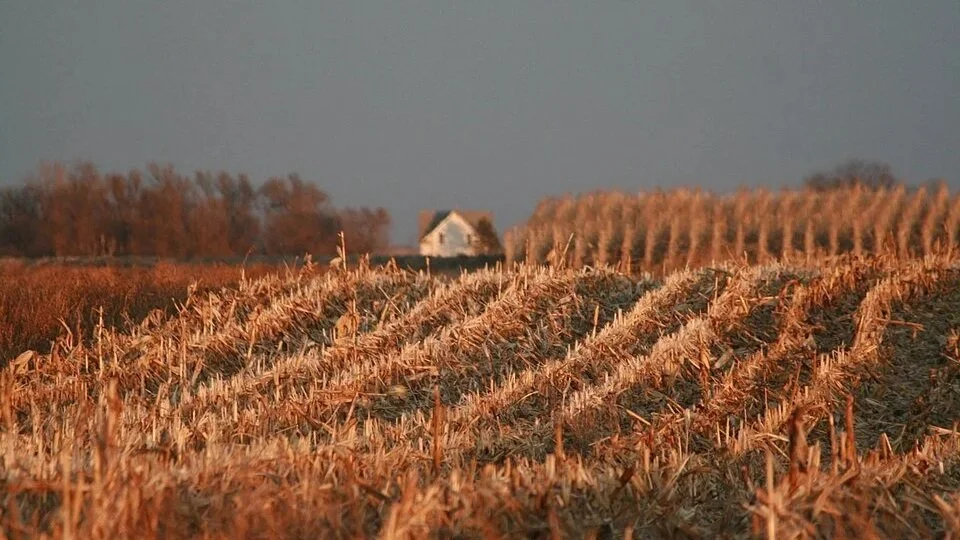
Photo: South Dakota farm, public domain, wikimedia commons
The South Dakota Standard is offered freely and is supported by our readers. We have no political or commercial sponsorship. If you'd like to help us continue our mission to advance independent political and social commentary, you can do so by clicking on the "Donate" button that's on the sidebar to your right.


.jpg)