
Rapid City research psychologist Christy Heacock: Self-forgiveness opens the door to forgiving others
“Never be defined by your past. It was just a lesson, not a life sentence.” — Tiny Buddha
Forgiving is for giving. Self-forgiveness can be a life-changing gift we give ourselves that opens the door to forgiving others. If we haven’t experienced compassion and grace ourselves, how can we share it with others?
Forgiving ourselves is hard, and that’s a good thing. We need to feel remorse when we’ve caused pain or injustice. We don’t want to function like sociopaths who have no anxiety or guilt when they harm others. But we need to take on the difficult task of forgiving ourselves so we don’t hide in shame, or even worse, deny our wrongdoing and blame others for our offensive behavior or mistakes.
If we can’t forgive ourselves, we generally journey down one of two destructive paths. I call them The Dead-End Road of Shame and The Abusive Highway of Blame.
Following the Dead-End Road of Shame is different than admitting guilt. Guilt is a motivator that drives us to understand our behavior and decide to do better. Learning from our missteps is productive and allows us to grow and evolve.
Shame, however, means believing we are “bad” and unworthy of forgiveness.
We believe our past mistakes and transgressions are fatal and use them as a reason to give up, become stagnant, and isolate ourselves. Shame hurts our relationships. It prevents us from sharing the joy of unconditional grace and the peace that comes with accepting our limitations.
The Abusive Highway of Blame is traveled when we don’t have the courage to own our mistakes and bad behavior. If we fear judgment or punishment because of something we’ve done, finding a way out of our mess that doesn’t involve taking responsibility and admitting wrongdoing may define our journey. Blaming others is an attempt to stay out of trouble. However, it keeps us from forgiving others because that would mean we have to quit blaming them and become accountable for our actions.
A manipulative tactic sometimes used on the Abusive Highway is what professor Jennifer Freyd calls DARVO: Deny, Attack, and Reverse Victim and Offender. If we’d rather be right than truthful and are afraid to acknowledge what we’ve done, we may deny, attack, and step into the sinister scenario of accusing those we’ve hurt of being the “real” offenders.
We may claim those we’ve offended deserve our abuse or are falsely accusing us of wrongdoing. This strategy is especially harmful when DARVO warriors are attacking vulnerable people who lack the confidence to stand up for themselves.
When DARVO is used politically, it may lead to competitive victimhood. “You started it.” “No, you did.” “It’s your fault.” “No, it’s your fault.”
Each side attacks the other self-righteously and protectively. Refusing to listen. Refusing to admit any wrongdoing or mistakes. Refusing to cooperate and collaborate.
Our life journey becomes more joyful and kind when we reject the Dead-End Road of Shame and the Abusive Highway of Blame and choose instead to follow the Path of Forgiveness. We replace shame and blame with courage and compassion and create a new story in which we move forward with honesty and integrity. We reclaim our dignity.
The foundation of forgiveness is acceptance of the messiness of the human condition. Forgiveness is built on the knowledge that we normal, imperfect humans must learn through struggle and errors.
Bad behavior doesn’t mean we’re bad people. We can learn and grow by understanding why our actions failed or were hurtful. We can figure out how to do better in the future. Only when we know better will we be able to do better.
The ability to forgive ourselves for our human deficiencies frees us from an overemphasis on perfection and allows us to enjoy discovery and innovation. Jonathan Biss, a concert pianist, wrote an opinion piece for the NY Times lamenting that classical musicians are trained to prevent mistakes, but they aren’t trained to talk to God. He explained, “You cannot learn or grow while trying to appear as if you have everything figured out. You cannot talk to God by trying to avoid doing something wrong.”
In other words, if we’re afraid to listen to our inner, spiritual voice because we fear messing up, we will miss out on magical moments and creative breakthroughs. Unrealistic expectations and a quest for perfection may imprison us and block the excitement and curiosity that naturally occur when we’re embracing the pleasures of learning and finding joy in the mysteries of life.
Beatrice Wood, an American artist and studio potter, said “My life is full of mistakes. They’re like pebbles that make a good road.”
Pebbles are the aggregate that makes roads resilient. Mistakes can do the same for us.
The roads we follow are unique. Sometimes pebbles feel more like boulders that are impossible to move. All our journeys contain regrets, grief, and sadness. We struggle with darkness, but the good news is we can replace it with light and build something new. That’s what the forgiveness process is all about.
Self-forgiveness is not about pardoning ourselves or anyone else for wrongdoing, and it’s not about forgetting what happened. It’s the opposite. It’s about accepting imperfection, stepping on our pride, and taking responsibility for our feelings and actions. It’s about dropping facades and opening our hearts to love fully. It’s about resilience, because we’re not afraid to try new things, reach out to others, and evolve.
The path of forgiveness leads to transformation and becoming our genuine selves. When we do that, we have nothing to hide and no one to blame.
Give yourself the gift of forgiveness. And be sure to pass on the joy and peace it brings you to others.
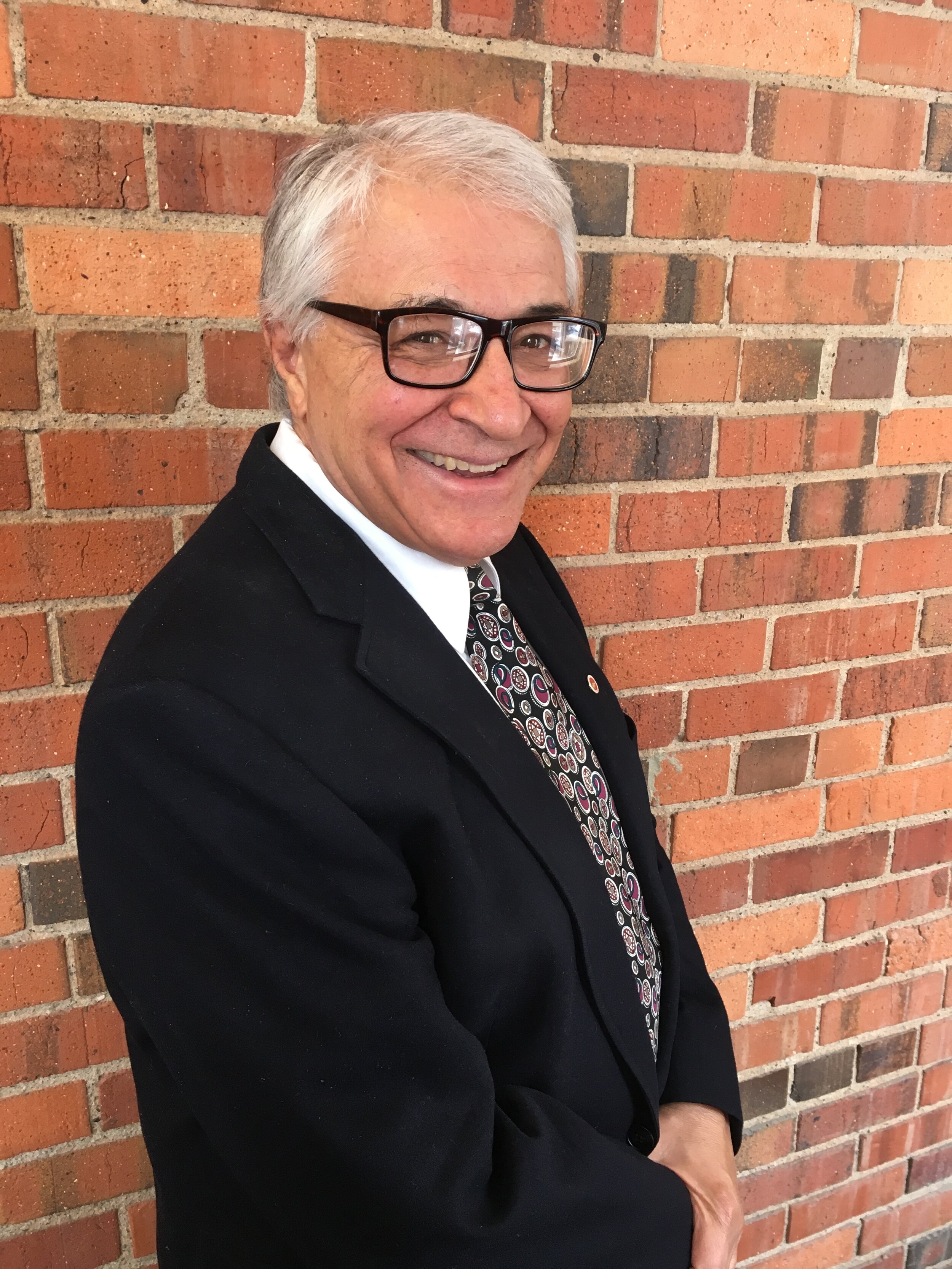
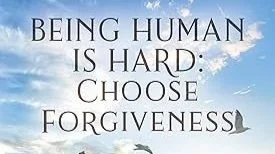
Christy Heacock, PhD, is an educator with a doctorate in research psychology. She is the author of Being Human Is Hard: Choose Forgiveness. She grew up in Redfield and has lived in Rapid City the last 40 years with her husband Roger. Contact Chris at christyheacock@gmail.com or through her website
Photo: Heacock’s book
The South Dakota Standard is offered freely and is supported by our readers. We have no political or commercial sponsorship. If you'd like to help us continue our mission to advance independent political and social commentary, you can do so by clicking on the "Donate" button that's on the sidebar to your right.