
Media concentration. It's happening nationally and locally
The assertion that a strong democracy needs strong newspapers has been a popular cliche for generations. We might want to take the cliche seriously at a time when both our democracy and our independent news media appear to be in jeopardy.
Increasingly, independent newspapers are going out of business or being purchased by oligarchs and TV networks are consolidating into fewer and fewer hands. About 40% of America's newspapers have shut down since the year 2000. With support from the Trump administration, Paramount Skydance purchased Warner Brothers, including CNN, creating an enormous media empire. David Ellison of Skydance installed Bari Weiss, a right-wing influencer, at CBS News, where she has sought to control the content of news stories while many veteran journalists have resigned. Recently, Weiss has insisted that CBS News pursue negative stories on two Democratic U.S. Senate candidates who are running in highly competitive races: Abdul El-Sayed in Michigan and James Talarico in Texas. The recent allegation that Talarico had checked into a mental health facility in Ohio proved to be utterly false.
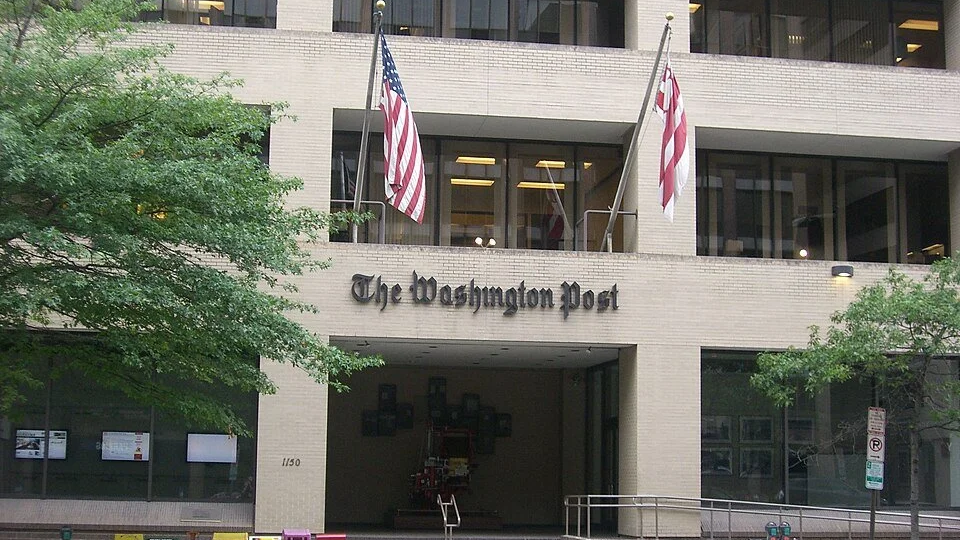
Jeff Bezos, the founder and Chair of Amazon, now owns the Washington Post, which has been one of America's most esteemed newspapers for more than a century. Interestingly, the Post cost Bezos less than half of what he paid for his new super yacht. Bezos has steered the newspaper away from its perceived liberal bias, not wanting to irritate President Trump.
Across the country, investigative journalism is in trouble, and media organizations concentrate their energies, and their dwindling field reporters, on "feel good" human interest stories. When late night TV personalities like Jimmy Kimmel and Stephen Colbert chose to interview Talarico, those interviews were not allowed to air on their programs. Interestingly enough, the Federal Communications Commission (FCC) abandoned the Fairness Doctrine, which required equal time for both sides of a political controversy, back in 1987. That does not affect the desire of media titans to avoid rocking the boat by giving exposure to politicians they do not like.
Here in South Dakota, the decline of independent media is obvious. Weekly newspapers in rural communities continue to shut their doors. Lee Enterprises, which owns the Rapid City Journal, had been saddled with debt ever since it purchased the Pulitzer newspaper chain at a time when readership was about to decline sharply. The Journal now comes out just three times a week, and it no longer covers state and local government as diligently as it did in the past. The staff of reporters is stretched mighty thin.
The masthead of the Rapid City Journal now includes a daily reminder that David Hoffmann of the Hoffmann Media Group is now the "majority shareholder" of the corporation. Interestingly, Lee Enterprises recently purchased the Sioux Falls Argus Leader, the Watertown Public Opinion and the Aberdeen American News, giving it a virtual monopoly of major papers in South Dakota similar to the monopoly that it enjoys in Montana. In South Dakota and nationally, there is a diminished news media in fewer hands. Fewer and fewer reporters are watching, and reporting on, our public policy makers. We can continue to hope that our democracy survives.
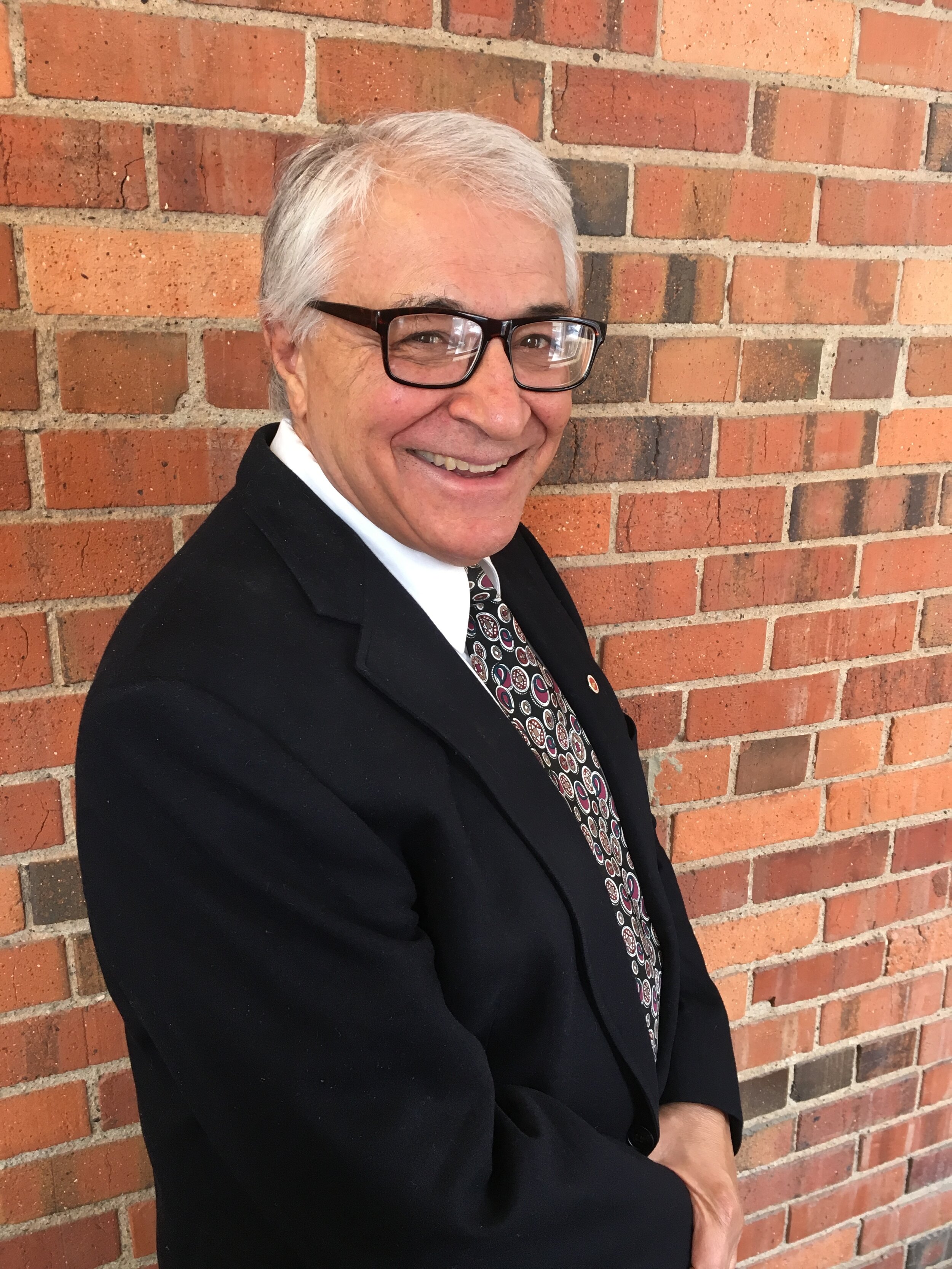
Jay Davis is a retired Rapid City attorney
Photo: public domain, wikimedia commons
The South Dakota Standard is offered freely and is supported by our readers. We have no political or commercial sponsorship. If you'd like to help us continue our mission to advance independent political and social commentary, you can do so by clicking on the "Donate" button that's on the sidebar to your right.