

A group of retired USDA and ag industry officials send letter to Congress. Its content is direct, dire and scathing
Agriculture-oriented media have been circulating a letter, dated and signed Feb. 3, by a long list of former (and bipartisan, according to Farm Progress, which published the letter in its entirety) USDA and farm group leaders. They are calling on Congress to “act and engage with farmers” as the country contends with a “farm economy in crisis.” The signers address what they believe are “the harmful and compounding effect that Administration policies are having on our farmers and on the long-term competitiveness of U.S. agriculture.”
It’s a lengthy and worthy read, consistent with my overall critiques of Trump-administration ag policies over the years.
Here’s a quick scan of the letter’s major points. If you take the time to read the letter in its entirety, you’ll be impressed by its depth and specificity.
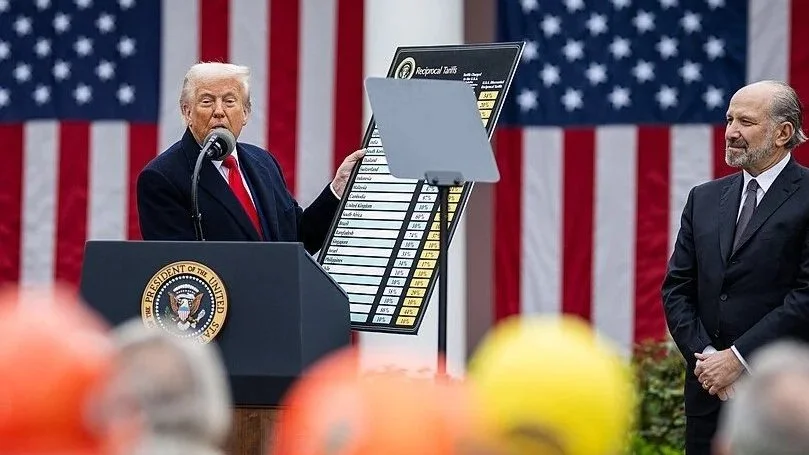
Increased cost of farm inputs. Complaining about the high cost of farm inputs due to Trump’s tariff policies, the letter says, “tariffs can be an effective tool to protect America’s national security interests. Unfortunately, the indiscriminate and haphazard nature of the current tariff policies have not revitalized American manufacturing and have significantly damaged American farm economy.”
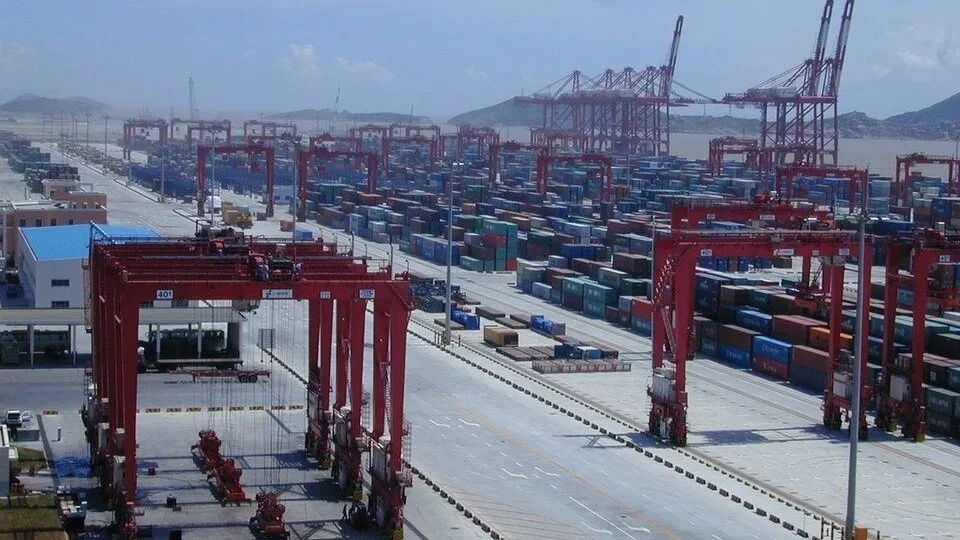
Loss of market access. Naming specific tariff and trade initiatives, the letter says Trump “trade policies and lack of Congressional action have also hurt American farmers by reducing our global competitiveness, disrupting export markets, and reducing commodity prices.”
Weakening of International trade partnerships. Addressing the disruption of long-standing trade relationships by Trump’s policies, the letter says, “bellicose rhetoric and chaotic trade policies have caused our traditional trading partners to question the reliability of the U.S. as a trading partner and to turn to other countries to stabilize international trade. The BRICS coalition (Brazil, Russia, India, China, and South Africa), is dramatically expanding its share of world ag markets, and may well be the single largest threat to American agriculture.”
Cuts to foreign and domestic food aid. Noting the historical economic relationship between food aid and demand for farm products, the letter sees much harm done by cuts in food assistance. “Even as the Administration has disrupted our overseas export markets, cuts to foreign aid and domestic food programs are negatively impacting important domestic and overseas markets for many U.S. commodities, including rice, wheat, and peanuts, undermining U.S. foreign policy, and exacerbating food insecurity here and abroad.”
Failure to adequately support biofuels. The letter mostly complains about Congressional inactivity for the stalled market in biofuels, saying, the growth has stalled “in the face of unnecessary restrictions on blend levels that Congress seems unwilling or unable to address, leaving ethanol markets moribund.” Alluding to administration policies, the letter adds that “biofuel export markets have been handicapped by specious non-tariff barriers.”
Disruptions of farm labor. Regarding administration immigration and deportation policies, the letter says “mass deportations, removal of protected status, and failure to reform the H-2A visa program are wreaking havoc with dairy, fruit and produce, and meat processing.”
Cuts to USDA staffing and ag research. These cuts have made life difficult and expensive for producers. Say the signers: “The massive and indiscriminate firings of USDA employees is impacting the ability of farmers to effectively and efficiently access important USDA services. Farmers can’t get payments in a timely fashion or the assistance they previously received. Moreover, dramatic reductions in USDA research and funds to land grant colleges are causing additional hardships and threatening the long-term competitiveness of U.S. agriculture.”
This is a comprehensive set of grievances. The letter writers at the outset of their message say “farmer bankruptcies have doubled, barely half of all farms will be profitable this year, and the U.S. is running a historic agriculture trade deficit. These metrics reflect a sharp reversal from record farm export surpluses and farm incomes experienced just a few years ago.”
The seriousness of the situation should be clear enough to administration officials and congressional reps. How quickly and effectively they respond is probably a function of how much input they get from their constituents.
John Tsitrian is a businessman and writer from the Black Hills. He was a weekly columnist for the Rapid City Journal for 20 years. His articles and commentary have also appeared in The Los Angeles Times, The Denver Post and The Omaha World-Herald. Tsitrian served in the Marines for three years (1966-69), including a 13-month tour of duty as a radioman in Vietnam. Republish with permission.
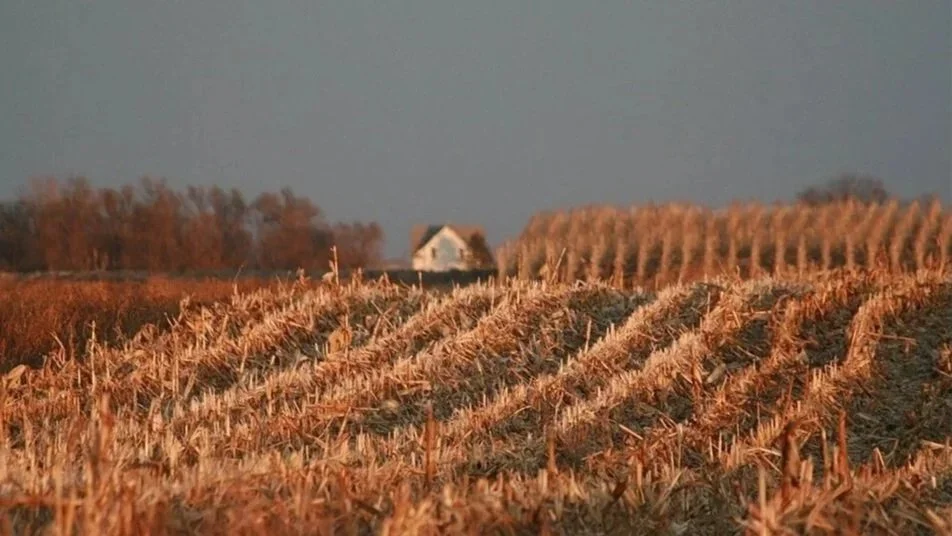
Photo: South Dakota farm, public domain, wikimedia commons
The South Dakota Standard is offered freely and is supported by our readers. We have no political or commercial sponsorship. If you'd like to help us continue our mission to advance independent political and social commentary, you can do so by clicking on the "Donate" button that's on the sidebar to your right.
Follow us and comment on X and Bluesky


.jpg)