

Your choice, Sioux Falls. Which future will you pick?
Sioux Falls is at a crossroads.
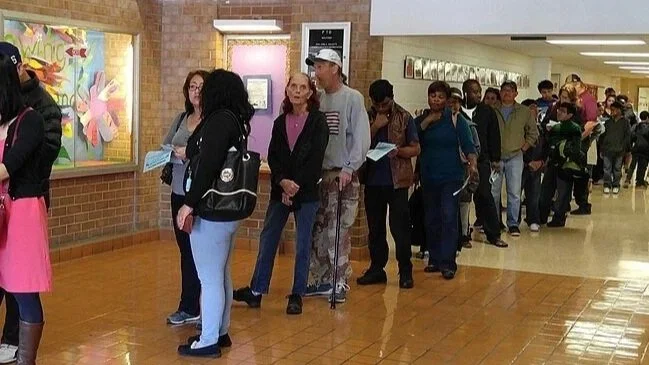
This mayoral race, regardless of where it lands after the recount, should be a wake-up call. In a city runoff where only about a quarter of registered voters showed up, the race came down to two votes. Two. That is both depressing and hopeful at the same time.
Depressing because too many people still sit out the decisions that shape the place they live. Hopeful because it shows Sioux Falls is not as politically locked in as people like to pretend. This city is changing. It has been changing for a while. The population is bigger. The needs are bigger.
The old “just keep taxes low and let growth solve everything” approach does not really hold up once a city becomes complex.
At a certain size, you need more than boosterism. You need housing policy. You need infrastructure that does not just chase development to the edge of town. You need public safety that understands mental health, addiction, poverty, and growth all at once. You need parks, libraries, transit, arts, childcare, and actual third places where people can exist without having to buy their way into community every time they leave the house.
That is not some radical idea. That is just what happens when a town becomes a city.
And downtown has been the clearest example of that tension. For a while, pre-pandemic especially, Sioux Falls felt like it was building something real. There was a pulse downtown. A little weirdness. A little edge. Restaurants, music, art, patios, late nights, independent businesses, people trying things. It felt like culture was beginning to take root.
Then came the money wave. The buyouts. The big projects. The firms. The polished versions of things that used to have soul. Some of it was necessary. Some of it was exciting. But some of it also felt like the city got bought out before it had fully figured out what it wanted to become.
A lot of businesses got squeezed. Some were displaced. Some were lost. Some of us got left out to dry and had to claw our way through it. Downtown, which has long been one of the few liberal-leaning cultural centers in South Dakota, started to feel like it was being remade for someone else. Cleaner, richer, safer on paper, but less alive in the ways that matter.
And honestly, I do not think the whole experiment worked the way people thought it would.
But here is the part that gives me hope: There is still a pulse.
A lot of us survived. New people are showing up. The city is now big enough to support more than one version of itself. We can have great restaurants, music, art, neighborhoods, small businesses, family places, queer spaces, working-class spaces, weird little rooms, beautiful bars, and public spaces that actually belong to the public.
That is the opportunity in front of Sioux Falls.
But it is not going to happen if the same old guard keeps treating culture like a decoration, small business like a talking point, and growth like a scoreboard. Sioux Falls does not just need to get bigger. It needs to get wiser.
South Dakota’s future is going to run through Sioux Falls whether people want to admit it or not. The question is whether we build a city with imagination, or whether we let it become a spreadsheet with parking ramps.
I still think we have a shot.
But the old way of running this town has run out of gas.
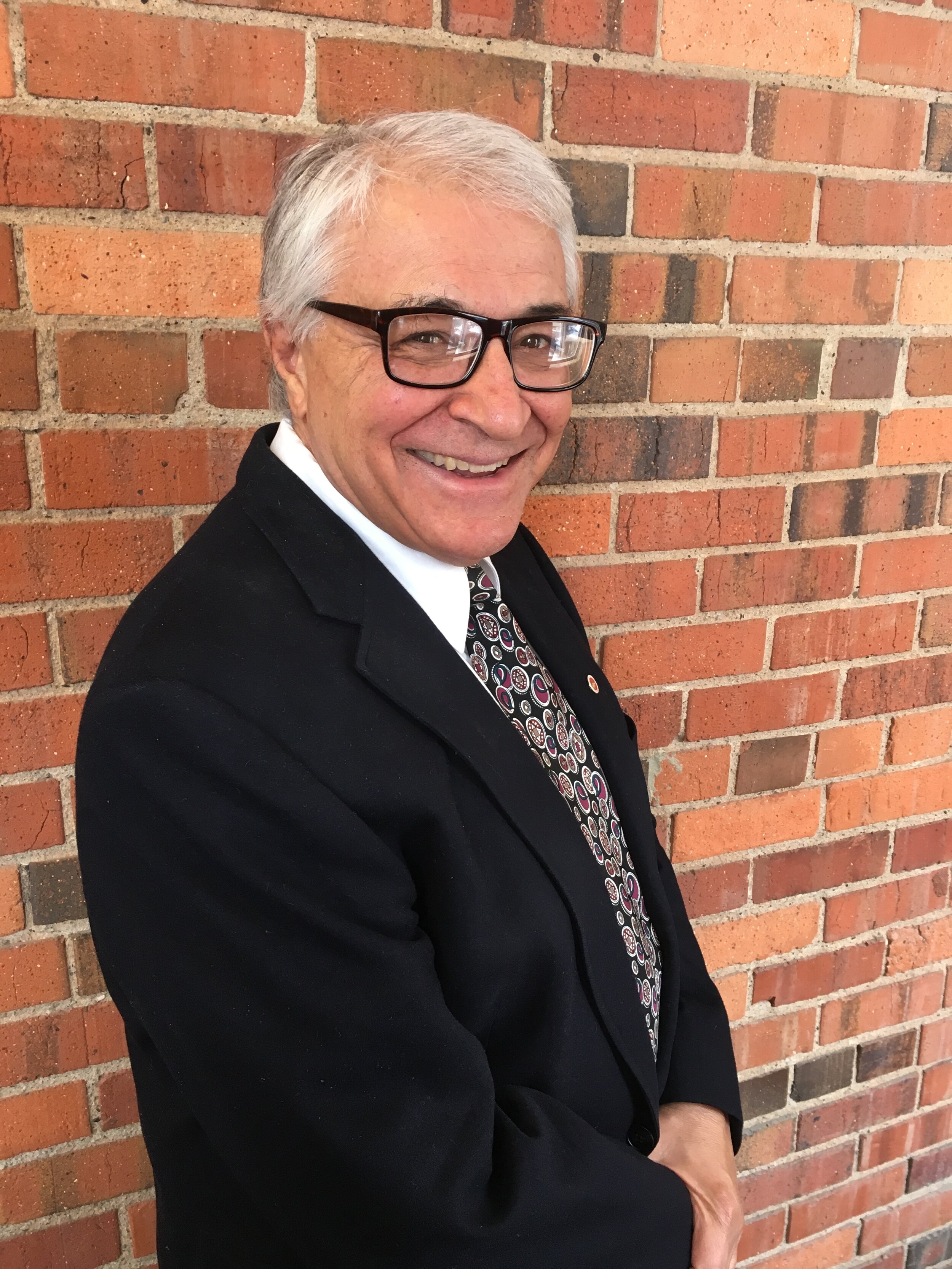
Nick Weiland is a part owner and co-general manager of a popular downtown Sioux Falls restaurant, part of a family-run hospitality group. He has lived in Sioux Falls for more than 30 years and has spent much of his adult life working in the city’s downtown restaurant, music, and event scene. Weiland ran for Sioux Falls City Council in 2018 and has also helped with photography, video, and social media work for local candidates and ballot initiatives.
Photo: Falls Park, Sioux Falls, public domain, wikimedia commons
The South Dakota Standard is offered freely and is supported by our readers. We have no political or commercial sponsorship. If you'd like to help us continue our mission to advance independent political and social commentary, you can do so by clicking on the "Donate" button that's on the sidebar to your right.
Follow us and comment on X and Bluesky