
Managing the disconnect between high markets and consumer worry
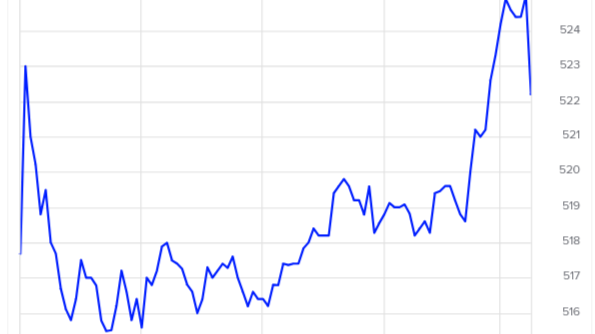
In mid-May, the S&P 500 hit its eighth consecutive weekly gain and the Dow Jones Industrial Average hit a record close two days in a row. In that same week, the University of Michigan reported that its index of consumer sentiment fell to the lowest level ever recorded in more than 70 years of surveys.
How is it possible that consumer sentiment is at an all-time low while stock prices hit all-time highs? This disconnect is not what usually happens. Stock prices and consumer confidence tend to move together because they draw on the same conditions: a growing economy where people are working, earning, and expecting more of both. In 40 years as a financial advisor, I have never seen a market this confusing to investors.
There is an old adage that the stock market climbs a wall of worry, which describes its ability at times to keep rising during negative economic news or events. This defies logic, yet I have watched it prove true time after time.
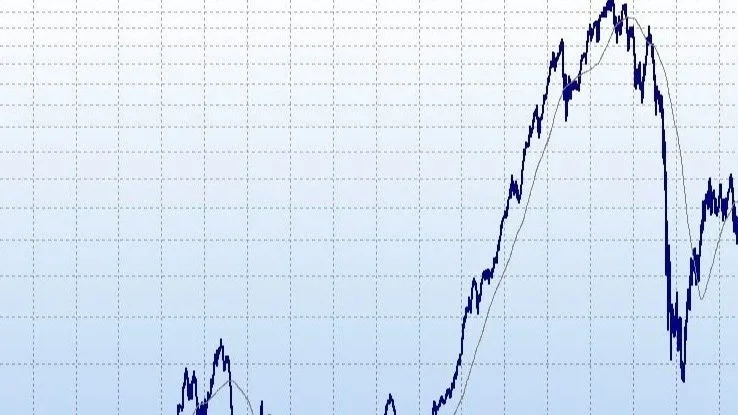
In addition to pointing out the S&P 500 and Dow Jones highs, a May 26 article in Yahoo!Finance by Khac Phu Nguyen also mentions Yale economist Robert Shiller’s cyclically adjusted price-to-earnings ratio, which smooths out short-term earnings swings. It currently stands at 40.8 for the S&P 500. The only other time it climbed above 40 in 145 years of data was during the years surrounding the dot-com peak in early 2000. That was also when consumer sentiment reached its all-time high. Today, it has reached its all-time low. Does that make any sense?
It may, according to two other professionals cited in Nguyen’s article. Joanne Hsu, director of consumer surveys at the University of Michigan, notes that sentiment was already fragile at the start of this year, given high prices and a labor market that has weakened over the past four years. Then the war with Iran has sent already elevated gas prices sharply higher. No wonder consumers are pessimistic.
Robert Barbera, director of the Center for Financial Economics at Johns Hopkins University, offered three possible explanations. First, stock prices may be out of touch with economic reality, and consumers are correctly sensing trouble. Second, stocks may be foreseeing a recovery most Americans are not imagining, one in which the war ends, inflation eases, and growth returns. Third, both may be responding in opposite ways to the belief that AI is a complete financial game changer.
It’s possible that all three factors make sense.
AI has driven much of the recent market enthusiasm. Companies that can use it to cut labor costs and expand profit margins look highly attractive to investors. But a world where businesses sharply reduce their need for workers is not one where most employees feel secure. Consumer surveys may well reflect anxiety about whether AI will eliminate the jobs people already have or close off the ones they hope to get.
As a consumer and an investor, what should you do? My recommendation is the same advice I have offered for decades. If you hold a globally diversified portfolio with a balance of stocks and bonds appropriate for your circumstances, leave it alone. A recession will come and the market will correct; it always does. But investors who lightened up on equities at any point in the last several years left significant returns on the table.
I suggest you rebalance, stay diversified within your risk tolerance and goals, and resist over-focusing on financial news and investment account balances. Trust that the stock market has always climbed its wall of worry. It is climbing one right now. You don’t have to let your anxiety climb with it.
Rick Kahler, CFP, is a fee-only financial planner and financial therapist with a nationwide practice, Kahler Financial Group, based in Rapid City. His co-authored books include “Coupleship Inc.” and “The Financial Wisdom of Ebenezer Scrooge.”
Photo: public domain, wikimedia commons
The information provided is for educational purposes only and should not be construed as investment advice. The views expressed are subject to change based on market or economic conditions. Past performance is not indicative of future results. Any reference to potential benefits is illustrative and may not apply to your individual circumstances. You should consult with your financial adviser before making any investment decisions. KFG, LLC is an SEC-registered Investment Adviser.
The South Dakota Standard is offered freely and is supported by our readers. We have no political or commercial sponsorship. If you'd like to help us continue our mission to advance independent political and social commentary, you can do so by clicking on the "Donate" button that's on the sidebar to your right.
Follow us and comment on X and Bluesky