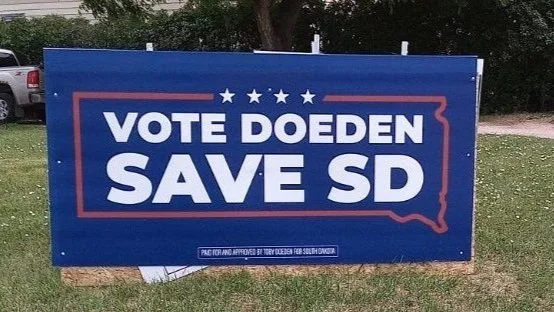

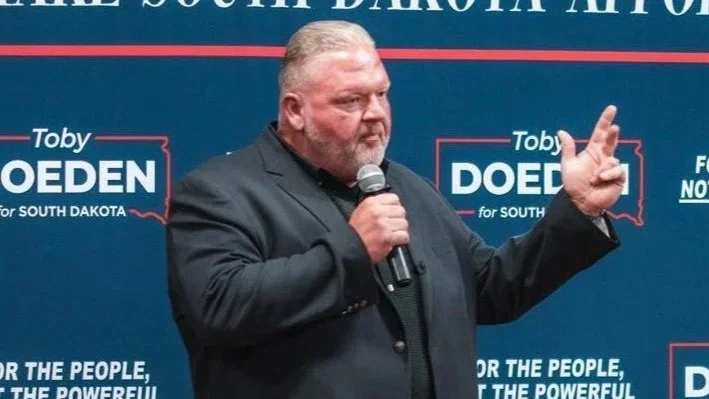
Doeden’s pledge to eliminate property taxes would harm many
There is a certain kind of political promise that always finds fertile ground in anxious times.
It usually begins with a simple observation: life feels harder than it used to. The bills arrive faster than the paychecks. Young families wonder whether they will ever truly get ahead. Retirees watch costs rise while trying to preserve some sense of stability. People work hard and still feel perpetually behind.
In South Dakota, right now, that frustration is real.
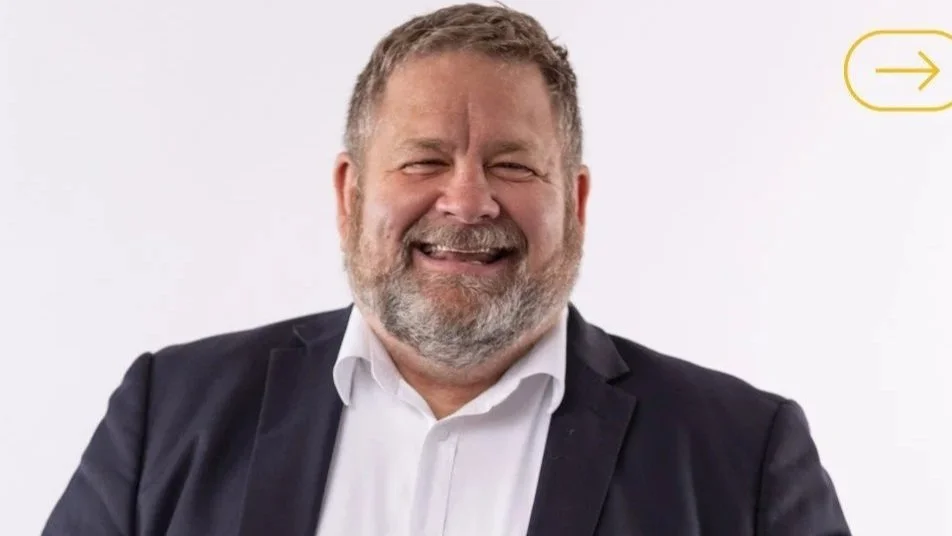
So when a political figure like Toby Doeden steps forward and says property taxes should be eliminated altogether, the proposal lands with emotional power. It speaks directly to people carrying economic fatigue. It tells ordinary South Dakotans: you are not crazy for feeling squeezed. Someone is finally listening.
And to be fair, that recognition matters. One of the reasons populist movements gain traction is because they often begin by identifying genuine pain long before institutions are willing to acknowledge it.
But recognizing pain and responsibly governing a society are not the same thing.
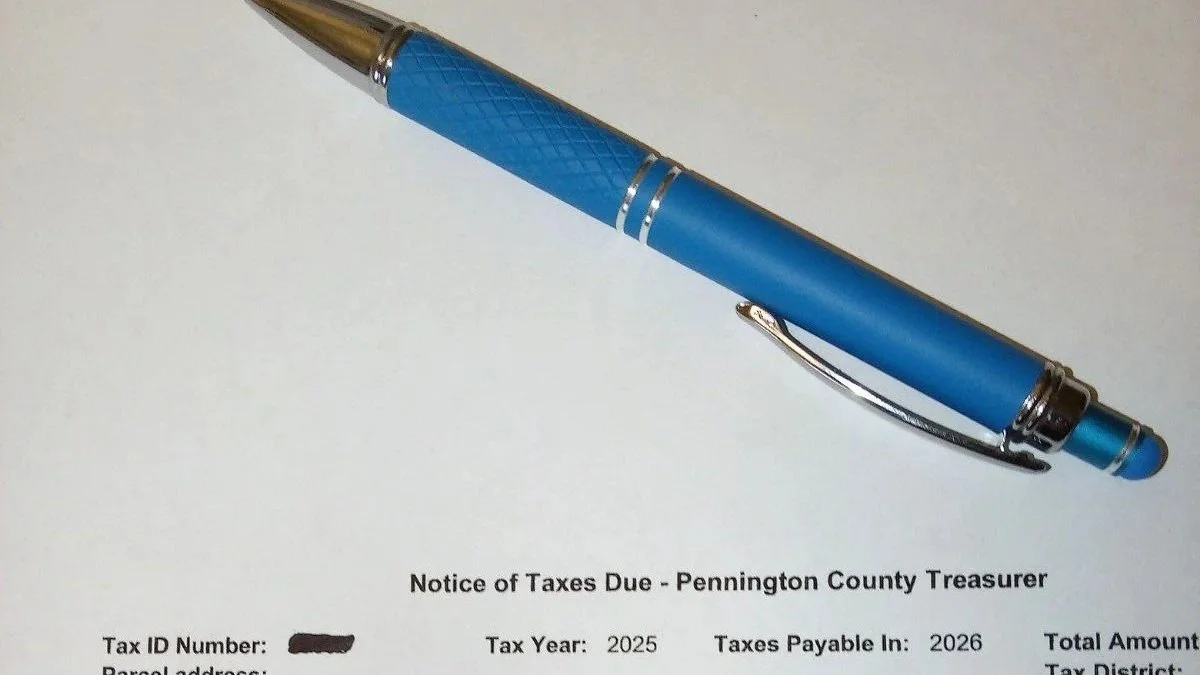
The difficulty with the proposal to eliminate property taxes is not primarily ideological. It is structural. South Dakota is not a state with a large web of alternative revenue streams. There is no state income tax. Local communities rely heavily on property taxes to fund schools, roads, emergency services, counties, libraries, fire departments, and the ordinary infrastructure that quietly sustains daily life.
This is one of the great paradoxes of healthy societies: the most important things are often the least noticed. Most people do not wake up each morning celebrating functioning bridges, competent snow removal, or rural ambulance services. We only notice these systems when they begin to fail.
But civilization, at its core, is often nothing more glamorous than a long chain of people quietly maintaining things together.
And that maintenance costs money.
What makes the property tax debate emotionally potent is that people increasingly experience taxation not as participation in a common project, but as extraction by distant systems they no longer trust.
That distrust did not emerge in vacuum. Many Americans have watched institutions become more bureaucratic, more performative, and less relational over the course of decades. They have seen communities weaken while elite voices often seem insulated from the consequences of their own decisions.
Into that distrust steps the populist promise: remove the burden altogether.
But arithmetic eventually enters every political conversation whether we welcome it or not.
Schools still need funding. Roads still need repairing. Teachers still need to be paid. Sheriffs’ departments still need operating budgets for jails and deputies. Rural towns still need functioning water systems and emergency responders capable of reaching a ranch or farm house 30 miles outside town in the middle of a snowstorm.
And, if property taxes disappear, the burden does not disappear with them. It simply migrates elsewhere.
Usually downward.
That is the part many working people understandably miss in these conversations. In states without an income tax, removing property taxes often requires higher sales taxes, increased fees or severe cuts to public services. And sales taxes, while appearing neutral on paper, tend to fall hardest on people living closest to the edge.
A wealthy household may spend a relatively small percentage of its income on taxable necessities. A working-class family spends most of theirs simply trying to survive. Groceries. Clothing. Tires. School supplies. Fuel. Repairs. The burden accumulates differently.
Which means proposals marketed as liberation for ordinary people can sometimes end by quietly shifting pressure onto those least able to absorb it.
Rural communities would feel this most deeply.
In small towns across South Dakota, the school is rarely just a school. It is where people gather on winter nights for basketball games. It is where concerts happen, where fundraisers happen, where grandparents watch grandchildren graduate. It is one of the last remaining institutions still capable of creating intergenerational civic life.
When schools weaken, towns often begin losing more than services. They begin losing morale. They lose confidence in their own continuity.
And beneath all of this sits a deeper moral question that Americans increasingly struggle to answer: what do we still owe one another?
A healthy society cannot survive solely on individual striving. Human beings are profoundly interdependent creatures whether we like admitting it or not. We inherit roads we did not build, schools we did not found, communities we did not create, and sacrifices we did not personally make.
Previous generations invested in structures they themselves might never fully benefit from because they understood something modern culture increasingly forgets: society is not only a marketplace. It is also a covenant between generations.
This does not mean every tax system is fair. It does not mean reform is unnecessary. South Dakotans are right to be concerned about affordability. They are right to question whether systems are functioning efficiently and responsibly.
But there is a profound difference between reforming institutions and hollowing them out.
And what worries me most about proposals like this is not simply the fiscal instability they could create. It is the deeper cultural instinct underneath them — the growing temptation to imagine all public life as theft rather than shared investment.
Because once communities lose the habit of building together, they eventually lose the capacity to imagine a common good at all.
And in that kind of society, wealthy people usually remain relatively secure. They purchase alternatives. Private education. Private health care. Mobility. Distance from deterioration.
Ordinary people cannot.
Which means the folks most harmed by weakened public institutions are almost always our neighbors already carrying the greatest burdens: the aging widow on a fixed income, the ranch family one difficult season away from crisis, the teacher buying classroom supplies out of pocket, the mechanic trying to keep ahead of medical bills, the young couple wondering whether they can afford to stay in the community where they grew up.
Good leadership does not merely validate frustration. It also tells the truth about complexity.
And the truth is this: sustaining a humane society requires shared sacrifice, competent institutions, and communities still willing to invest in one another even when cynicism feels easier.
That is harder to chant at a rally than “eliminate property taxes.”
But it happens to be true.
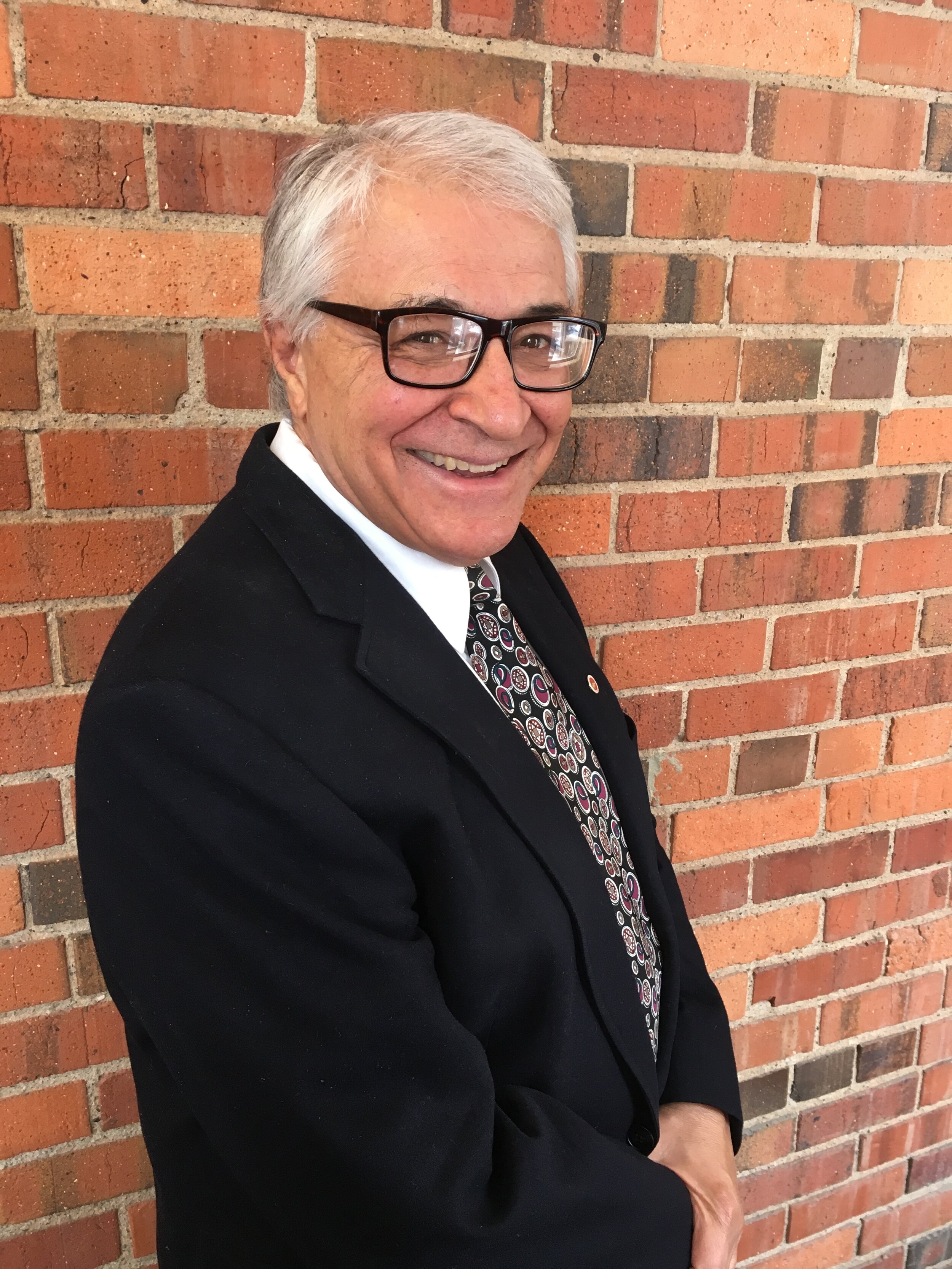
Rev. Joe Bair of Rapid City is an ordained minister in the United Church of Christ with 16 years of experience serving local churches in Colorado, Wyoming, and South Dakota. He currently serves as pastor of South Park United Church of Christ in Rapid City and also works part-time as a mental health therapist in private practice. When he is not working, Joe enjoys cheering on the Denver Broncos, playing golf just well enough to remain optimistic, and getting lost in a good book. Despite owning a large collection of neckties, he is rarely seen wearing them and prefers a more relaxed style whenever possible. He also harbors the long-shot hope of someday meeting his celebrity crush, Kelly Clarkson, though he suspects upon meeting her, he would immediately forget everything he planned to say.
Photo: from Toby Doeden for South Dakota Facebook page
The South Dakota Standard is offered freely and is supported by our readers. We have no political or commercial sponsorship. If you'd like to help us continue our mission to advance independent political and social commentary, you can do so by clicking on the "Donate" button that's on the sidebar to your right.
Follow us and comment on X and Bluesky