
Rising fuel and fertilizer prices will hurt farming and tourism
South Dakota’s agriculture and tourism industries are likely to take a financial hit if President Trump’s war in the Middle East goes on much longer.
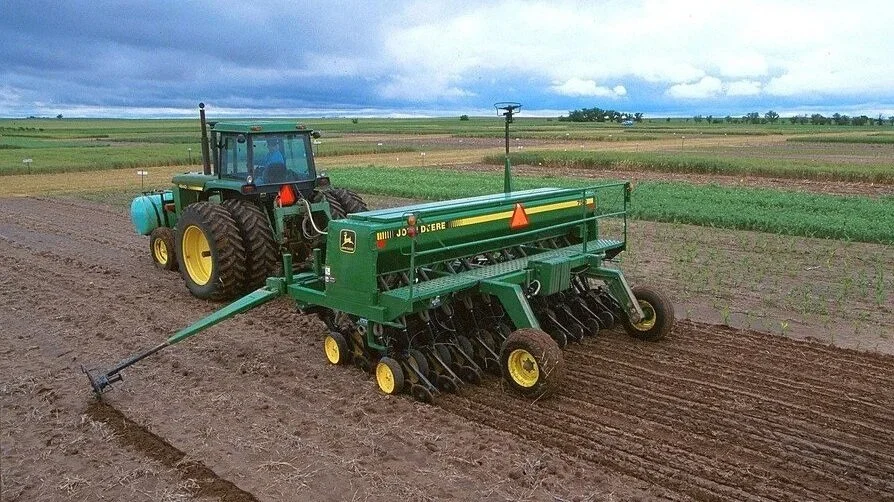
On the ag front, it isn’t just a matter of higher fuel costs. About a third of the world’s synthetic fertilizer passes through Iran’s Strait of Hormuz, so as most of us grimace as watch the prices of gasoline and other oil-based fuels take to the skies, farmers are also keeping their eyes on fertilizer prices.
The fertilizer situation is especially acute as we’re now in the spring planting season.
Many American farmers, about 80% according to U.S. Secretary of Agriculture Brook Rollins, locked in their fertilizer costs before the hostilities in the Persian Gulf started, which will soften the pain for them.
The problem, though, is a global one. A United Nations study notes that “higher costs for fuel, food, fertilisers and transport could quickly translate into pressure on public finances and household budgets. This can reduce food production and increase food insecurity, particularly where import dependence is high.”
For worldwide consumers of imported food, higher prices are likely. Here in the United States we import 20% of our food, so we’ll feel the pinch.
For President Trump, that’s bad political news. Trump’s pre-election promise to bring down food prices has so far failed to materialize, with the overall cost of food up 2.4% during his first year in office. It looks like his second year won’t see much of an improvement — in fact could even be worse — now that fertilizer costs are likely to translate into higher food prices this year. The USDA says that “in 2026, overall food prices are predicted to rise 3.6 percent.”
If things don’t settle down in the Persian Gulf, the ag sector will be taking its lumps, along with consumer who ultimately pay the price for higher food production costs.
On a second front, tourism, South Dakotans have good reason to be concerned as they watch the madness in the Persian Gulf. Although visitation numbers may not drop precipitously in our state, the spending behavior of tourists while they’re here is likely to be affected.
How? Discretionary purchases like souveniers are curtailed and restaurant visits are reduced as travelers spend a greater share of their food budgets on picnic supplies.
As to the dropoff in foreign visitors, there is little evidence that Canadian tourism to the United States will bounce back from the Trump-created declines of last year. A sharp increase in gas prices for the 2026 season can only make the situation more challenging for South Dakota’s tourism sector.
The hornet’s nest that President Trump stirred up in the Persian Gulf will have its ramifications in South Dakota, where we have good reason to hope that our gratuitous military adventure in Iran will soon come to a close.
John Tsitrian is a businessman and writer from the Black Hills. He was a weekly columnist for the Rapid City Journal for 20 years. His articles and commentary have also appeared in The Los Angeles Times, The Denver Post and The Omaha World-Herald. Tsitrian served in the Marines for three years (1966-69), including a 13-month tour of duty as a radioman in Vietnam. Republish with permission.
Photo: public domain, wikimedia commons
he South Dakota Standard is offered freely and is supported by our readers. We have no political or commercial sponsorship. If you'd like to help us continue our mission to advance independent political and social commentary, you can do so by clicking on the "Donate" button that's on the sidebar to your right.
Follow us and comment on X and Bluesky