

More: Medicaid expansion and constitutional amendment I
I recently posted my view that constitutional amendment I on November’s ballot would jeopardize Medicaid expansion in South Dakota, then posted a note I got from Lt. Governor Tony Venhuizen as an addendum to my piece.
The amendment’s passage would give South Dakota’s government the ability to change or altogether eliminate Medicaid expansion if the federal government’s part of the financing falls below 90% of the program’s cost.
As to the ‘change’ part, Venhuizen’s note said that if the constitutional amendment passed, it would not automatically trigger an elimination of Medicaid expansion.
As to the ‘eliminate’ part, based on Attorney General Jackley’s interpretation of the measure, Venhuizen is wrong. Per Jackley, in his explanation statement to Secretary of State Johnson last May, “This proposed Constitutional Amendment ends the expanded Medicaid coverage if the federal funding for expansion drops below 90%.”
Jackley’s interpretation seems clear and unequivocal to me, but if my interpretation is wrong and Venhuizen’s explanation is right, we’d have a scenario that would make Medicaid expansion the political football it had been for many years. South Dakotans, fed up by legislative foot-dragging, forced its implementation by voting it in via a constitutional amendment in November 2022. Republican leaders, including then-Gov. Kristi Noem, called the measure fiscally irresponsible, but a majority, 56%, of South Dakota voters disagreed and voted to extend Medicaid coverage to about 30,000 people who earn too much to qualify for Medicaid but not enough to pay for private health insurance.
With the federal government covering 90% of the cost of Medicaid expansion, South Dakota’s cost is somewhere between $35-$40 million annually.
What started this year’s movement to remove Medicaid expansion from our state’s constitution was some budgetary cost reductions that were considered last spring by the Trump administration. Though the federal government’s 90% share of costs remains intact, the chance that it may be reduced is in the minds of state legislators, so much so that 14 states have automatic “trigger” laws calling for elimination or reconsideration of Medicaid expansion if the federal government’s share of the cost falls below 90%.
Passage of constitutional amendment I would add South Dakota to that list, being among the states, if Jackley’s interpretation is right, that would eliminate Medicaid expansion altogether.
I oppose the possibility of that happening.
Missing from the view of supporters of this harsh scenario is some consideration for the 30,000 South Dakotans who depend on Medicaid expansion.
Everyone appreciates that South Dakota’s legislators need to take a hard look at every penny of state support for Medicaid expansion, but that should be done in the overall context of what happens, not just to human beings, but to the general economy when spending cuts are implemented or programs disappear altogether.
The Rural Hospital Association is unequivocal about the gains received by rural health care providers through Medicaid coverage. All, not just rural, hospitals will be significantly affected because uncompensated care costs will increase. The only way those losses can be recovered is by increasing costs to the general population.
On a broad level, The American Medical Association reminds us that a healthy population is a major driver of a strong economy.
South Dakota’s tight labor market needs all the healthy job applicants it can get.
Our cost-conscious state legislature should take a “big picture” perspective on the matter and commit itself to finding ways of making up for the possibility of reduced federal spending on Medicaid. In a state that routinely has significant budget surpluses, we can be humane and fiscally responsible simultaneously.
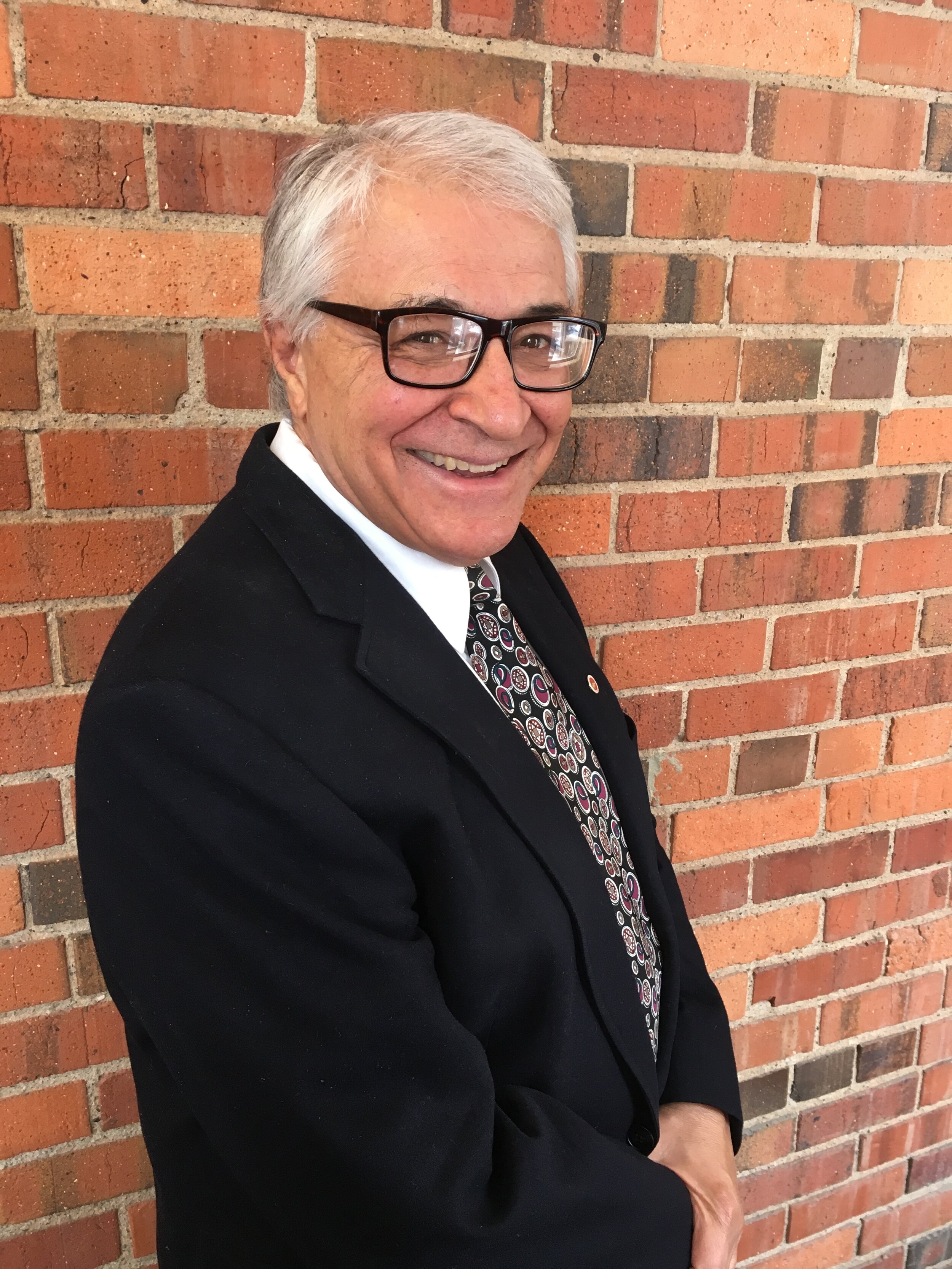
John Tsitrian is a businessman and writer from the Black Hills. He was a weekly columnist for the Rapid City Journal for 20 years. His articles and commentary have also appeared in The Los Angeles Times, The Denver Post and The Omaha World-Herald. Tsitrian served in the Marines for three years (1966-69), including a 13-month tour of duty as a radioman in Vietnam. Republish with permission.
Photo: public domain, wikimedia commons
The South Dakota Standard is offered freely and is supported by our readers. We have no political or commercial sponsorship. If you'd like to help us continue our mission to advance independent political and social commentary, you can do so by clicking on the "Donate" button that's on the sidebar to your right.