
We have a winner in the Iran war, and the winner is …
… the oil industry and its shareholders. Glancing across yesterday’s earning reports on the financial sites, the first headline I encountered in The Wall Street Journal announced “American Oil Giants See Profits Soar as Wars Crimp Energy Supplies.” The sub-head? “ExxonMobil and Chevron post blockbuster earnings for third quarter as world turns to U.S. refineries for fuel.”
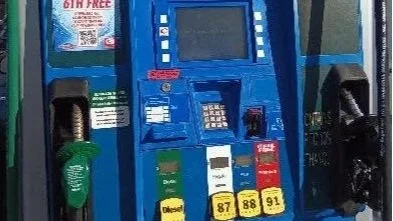
ExxonMobil’s profits doubled compared to the same period last year. Chevron’s were up 185%. Meantime, we consumers are gagging at our local gas pumps, paying an average of $4.12/gallon, about a buck over what we were paying a year ago.
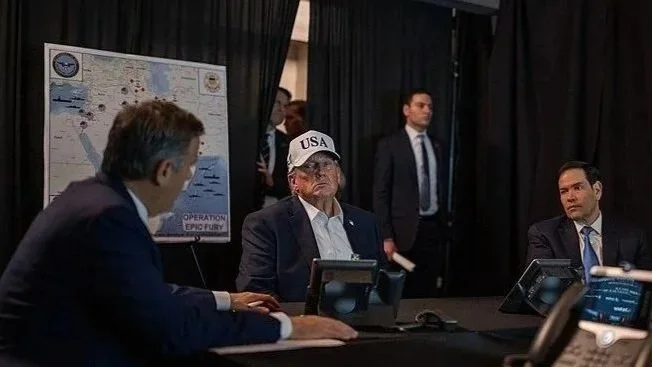
This is what Donald Trump has wrought.
Though he has since claimed that he was misinterpreted, Trump at the onset of the war said that it would be over in a matter of weeks. Since then the timeline has shifted. The last I heard, he said the war will end “soon,” amplifying his incoherence on the subject.
Meanwhile, as the back and forth on what-Trump-said vs. what-Trump-meant goes on, the practical effect of Trump’s invasion of Iran has been to make oil producers much, much richer and helpless oil consumers all the poorer.
As to the president trying to do something about high fuel costs, Trump has come up short. His feeble efforts to ease diesel fuel prices by engineering a deal that would let Russia increase diesel fuel exports were a fantasy (Foreign Policy calls the deal a “hail Mary”) from the get-go. Not only have diesel prices not gone down, they’ve actually risen by 7 cents/gallon since the deal was announced.
On the gasoline front, Trump’s only utterances about potentially lower prices are that gas will get cheaper once the Iran war ends. That stands to reason, but the price-dropping process will be slow-going once the Strait of Hormuz opens."If and when that happens, it will be a very long, multi-month to multi-year process for things to fully normalize," says a GasBuddy petroleum expert quoted on CBS.
The economically painful results of Trump’s hapless venture into the Persian Gulf will linger for a long time. The Center for Strategic and International Studies sees localized conflicts, many of them stirred up during Trump’s incursion into the area, as a “postwar threat to Gulf energy infrastructure.”
Unclear as Trump’s objectives in this war have been, his options seem even more muddled, which is a natural follow-up to the discordant statements and erratic strategies that got us into this mess in the first place.
John Tsitrian is a businessman and writer from the Black Hills. He was a weekly columnist for the Rapid City Journal for 20 years. His articles and comm,entary have also appeared in The Los Angeles Times, The Denver Post and The Omaha World-Herald. Tsitrian served in the Marines for three years (1966-69), including a 13-month tour of duty as a radioman in Vietnam. Republish with permission.
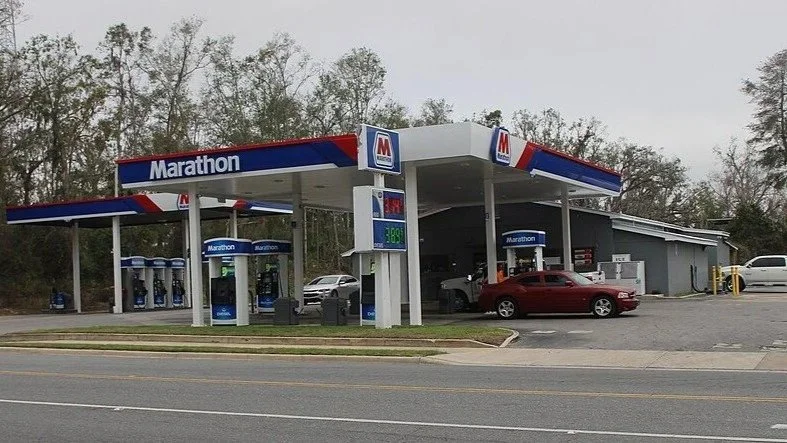
Photo: John Tsitrian, gassing up in Rapid City
The South Dakota Standard is offered freely and is supported by our readers. We have no political or commercial sponsorship. If you'd like to help us continue our mission to advance independent political and social commentary, you can do so by clicking on the "Donate" button that's on the sidebar to your right.